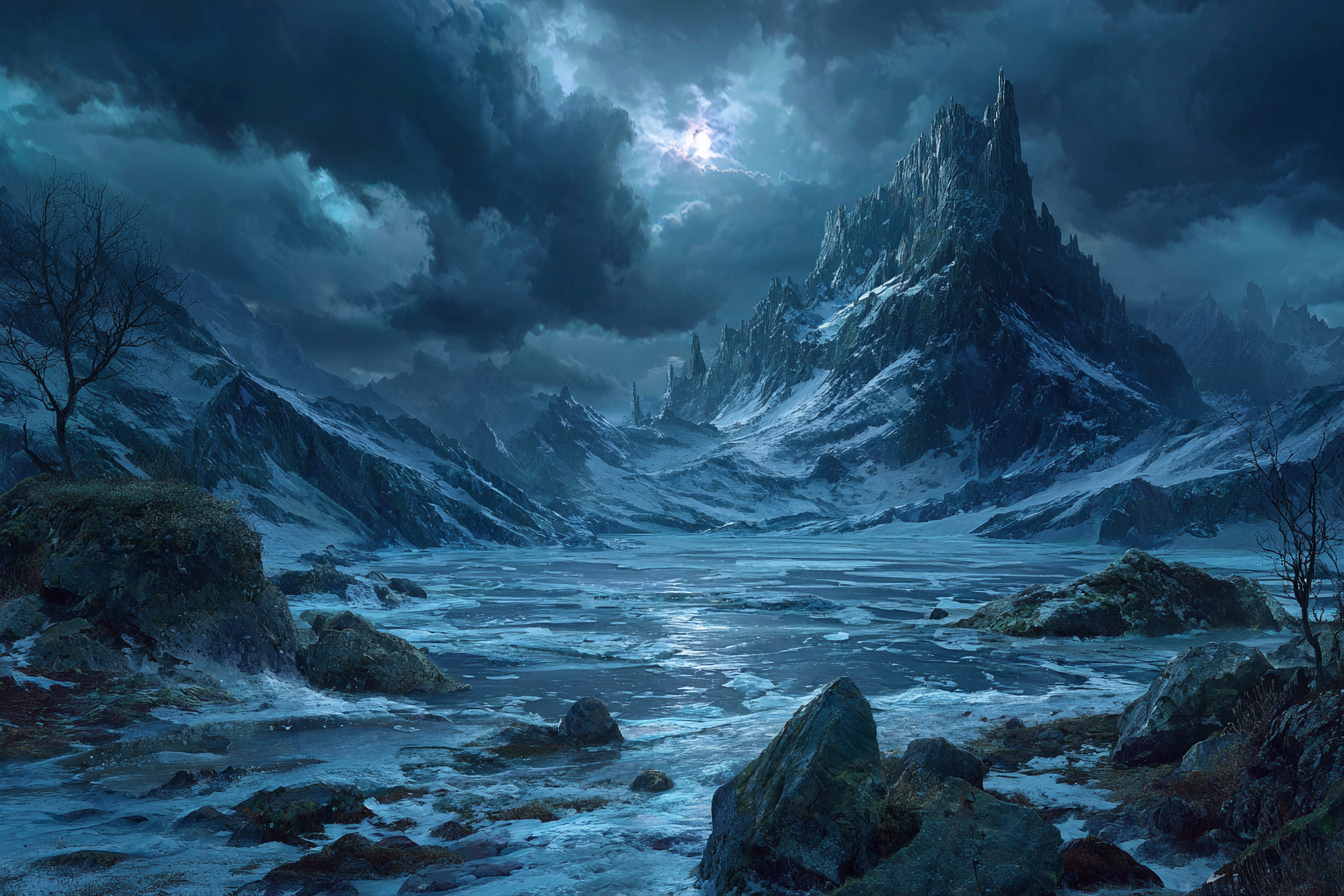
Fallen Wyrms
A world in the twilight of its gods.
An age of receding gods, a fading light, and a world running out of time. Dragons were the firstborn. What moves in the thin places now, no one can name.
Descend
An age of receding gods, a fading light, and a world running out of time. Dragons were the firstborn. What moves in the thin places now, no one can name.
The world was made as a paradise, tended by gods who dwelt within it. Then one of their number turned.
He tapped the Void, the primordial nothing, and split the divine host. His war shattered the utopia and broke the single world into pieces. The loyal gods, unwilling to keep waging a war that was unmaking creation, withdrew by choice. What magic remains is only the fading remnant of their presence: strongest where they last stood, thinning everywhere else, and running out.
Mortals now inherit a world the gods deliberately stepped out of. The light is going out, slowly, the way a fire goes to embers. Some read the signs as the gods stirring at last. Others feel a colder hand. No one can tell which, and the difference is everything.
The Fallen was the god of Time, the measurer of the ages, and of all the gods he alone always faced the nothing at the end of things. In the Void he found stillness and silence, and he came to long for it. What looks like a war of conquest is, beneath, a god reaching for his own rest, and willing to unmake the world to have it.
He cannot be destroyed, only caged or diminished, and so there will always be a Fallen. The light fades. The Void does not. That single imbalance is the engine of the age.
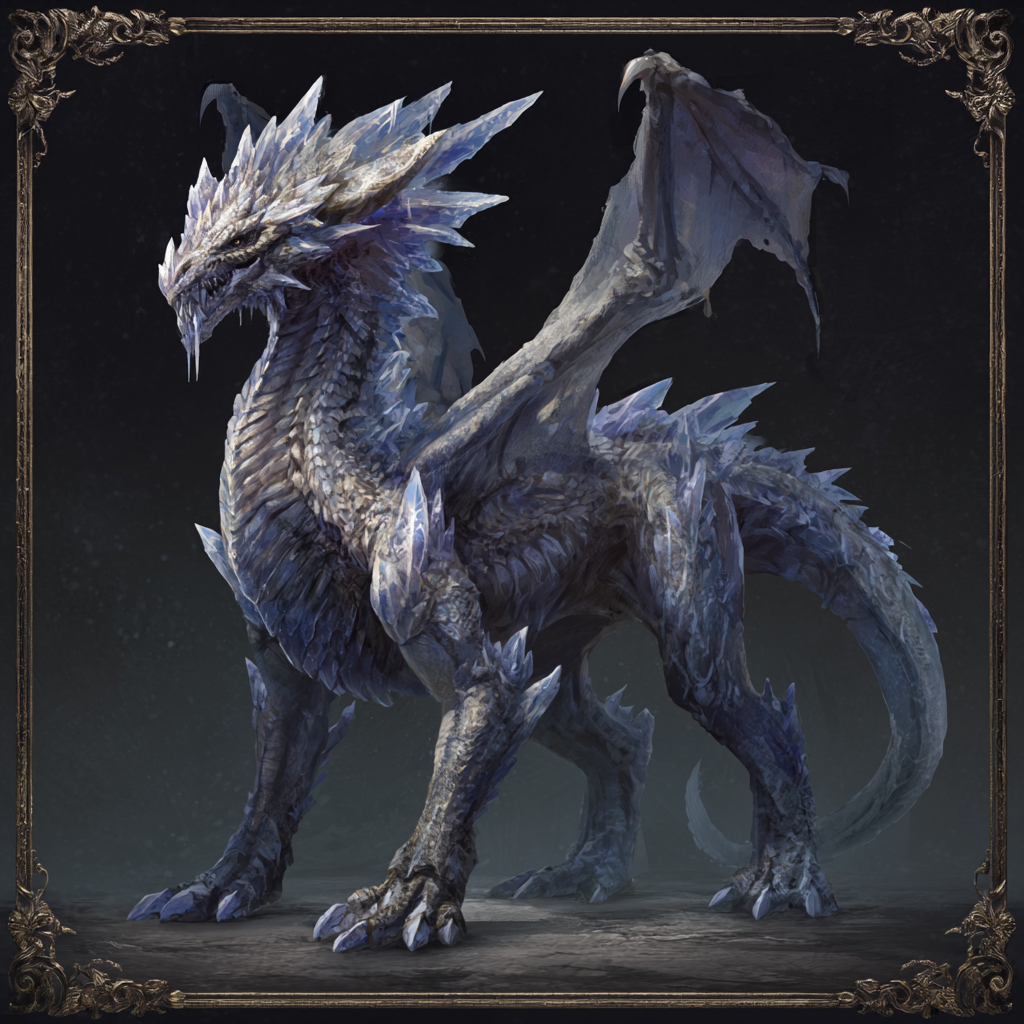
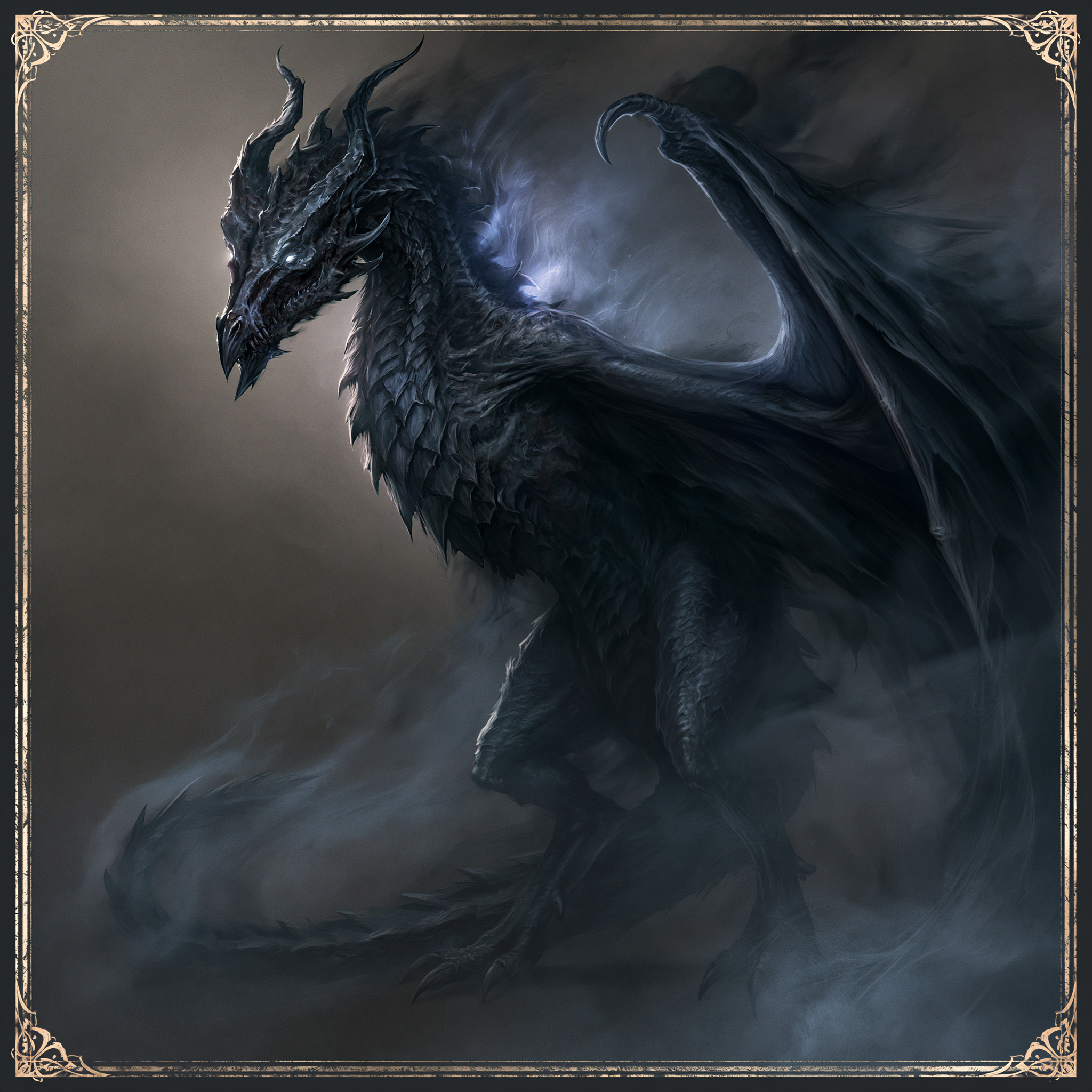
Fifteen great powers stand in three houses: the Withdrawn who kept faith and left, the Undivided who refused the war and fell to mortality, and the Fallen's Host who followed him into the dark. Each god made a dragon in its own image, the firstborn of all living things, and mortals wear their allegiance as dragon-heraldry.
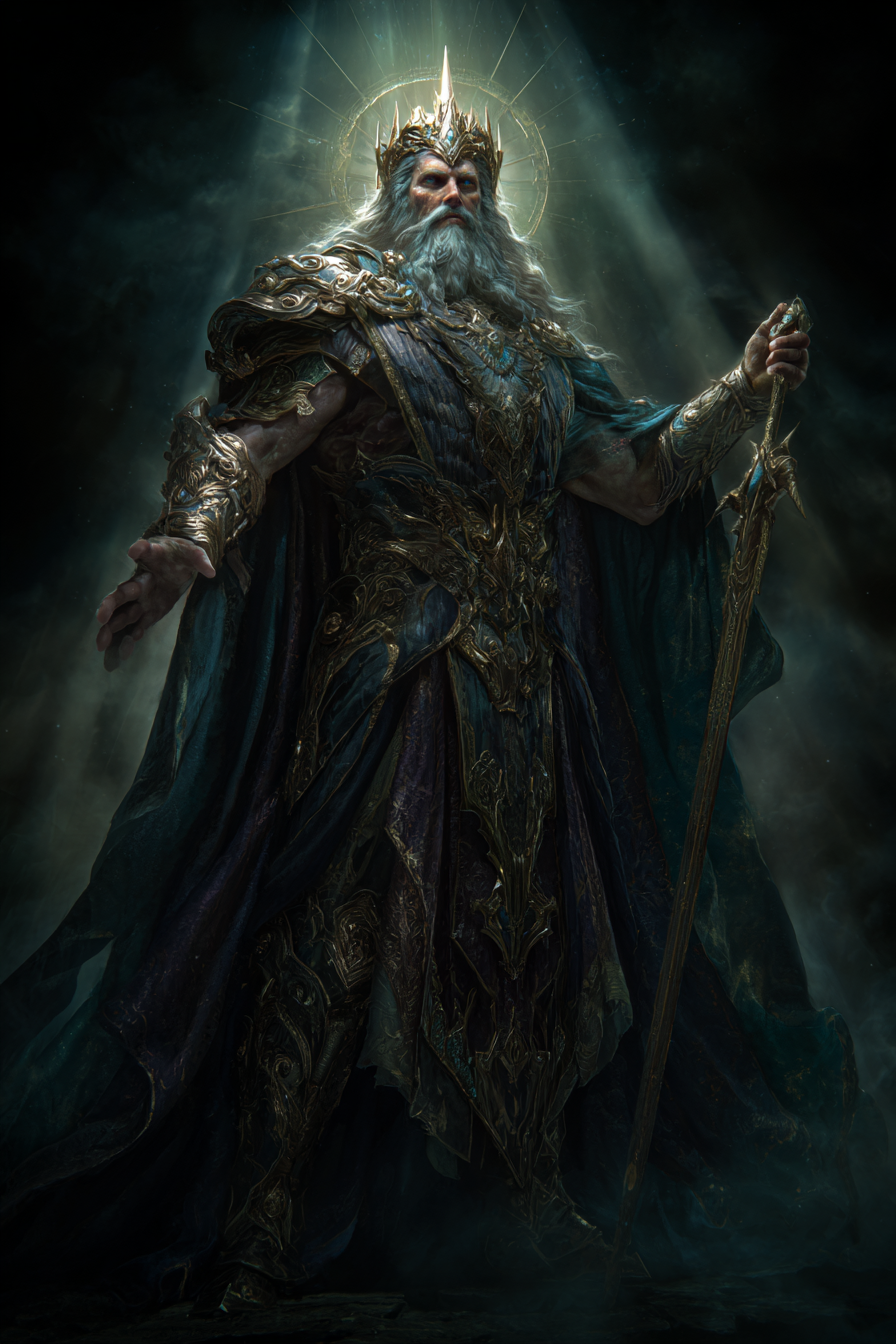
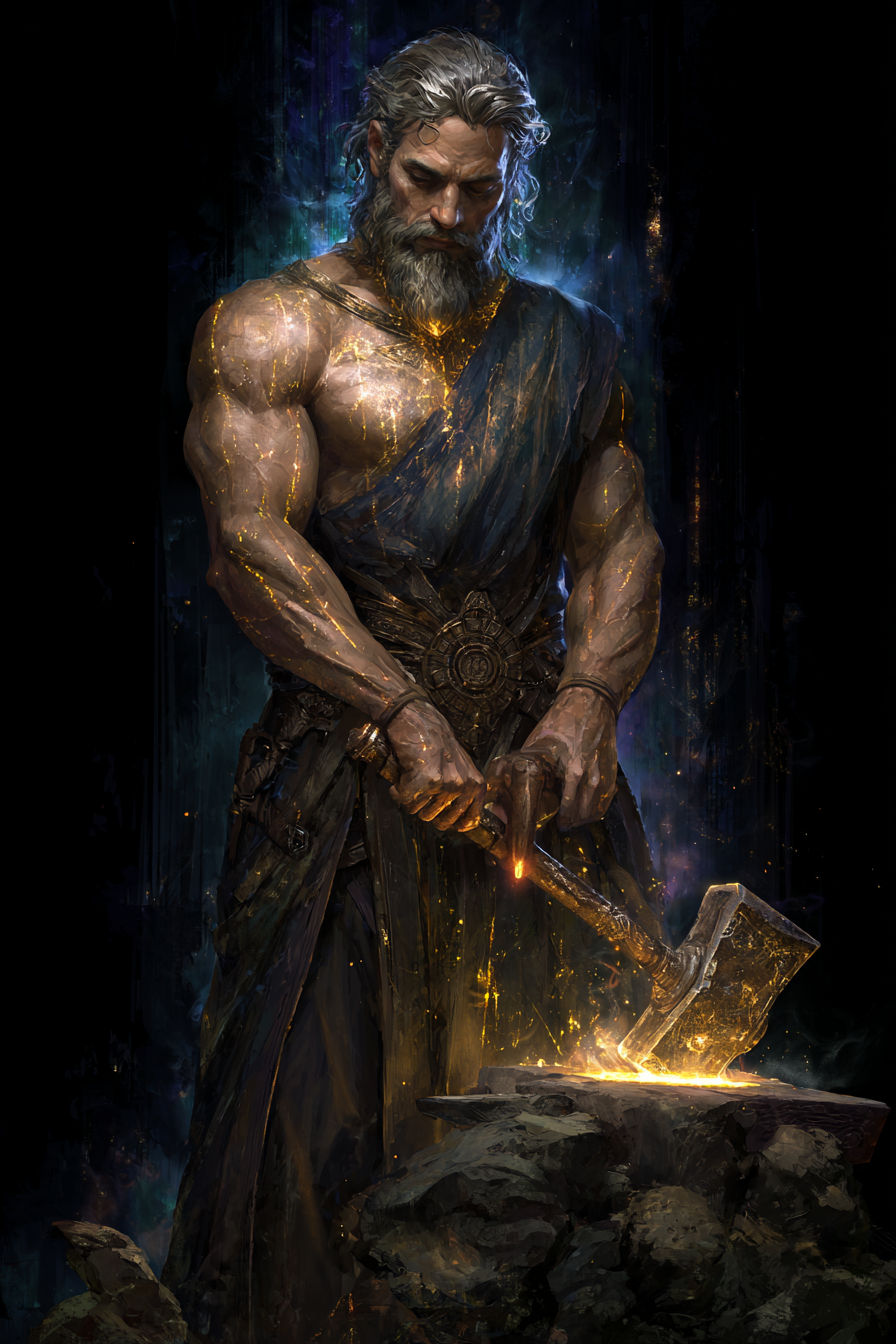
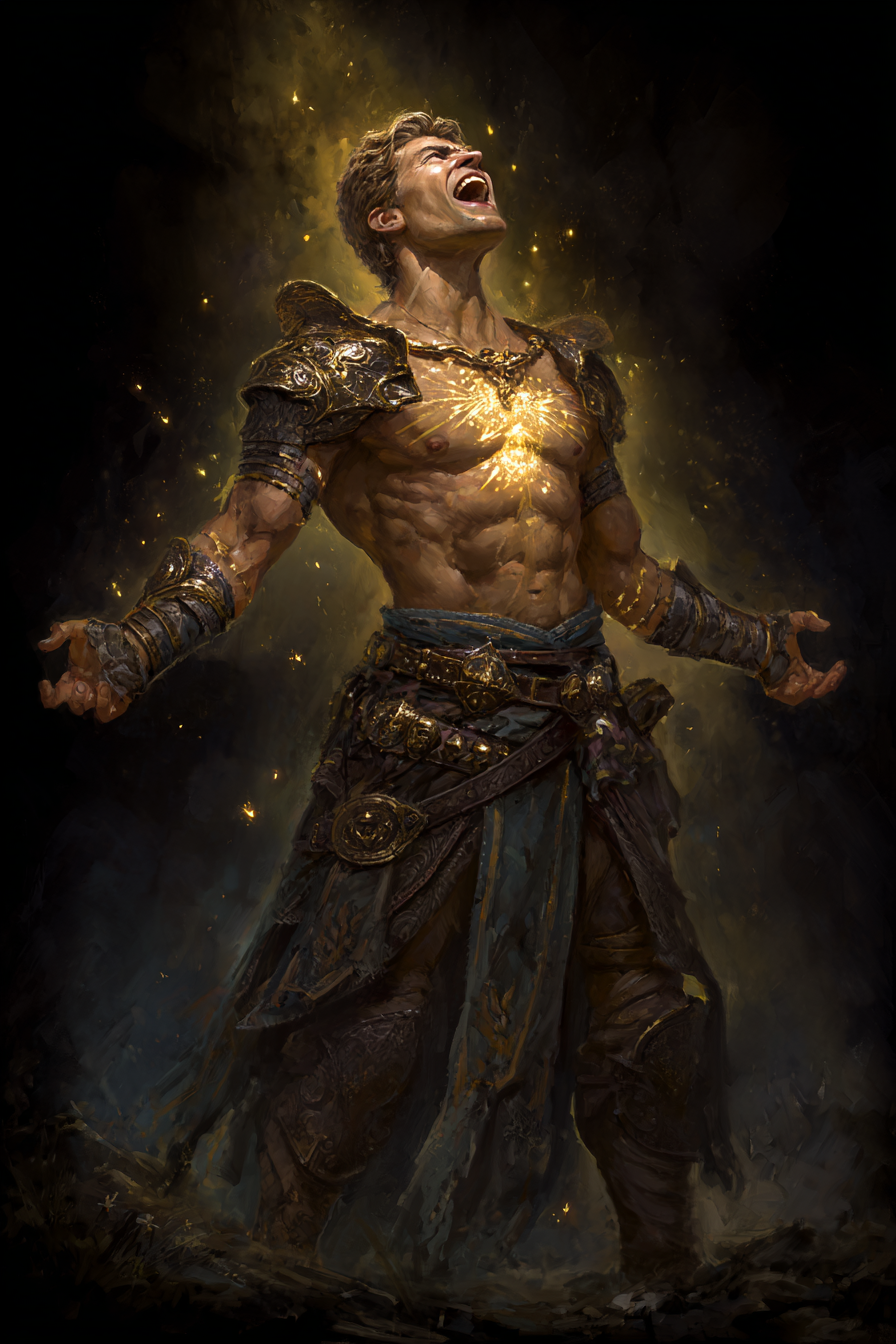
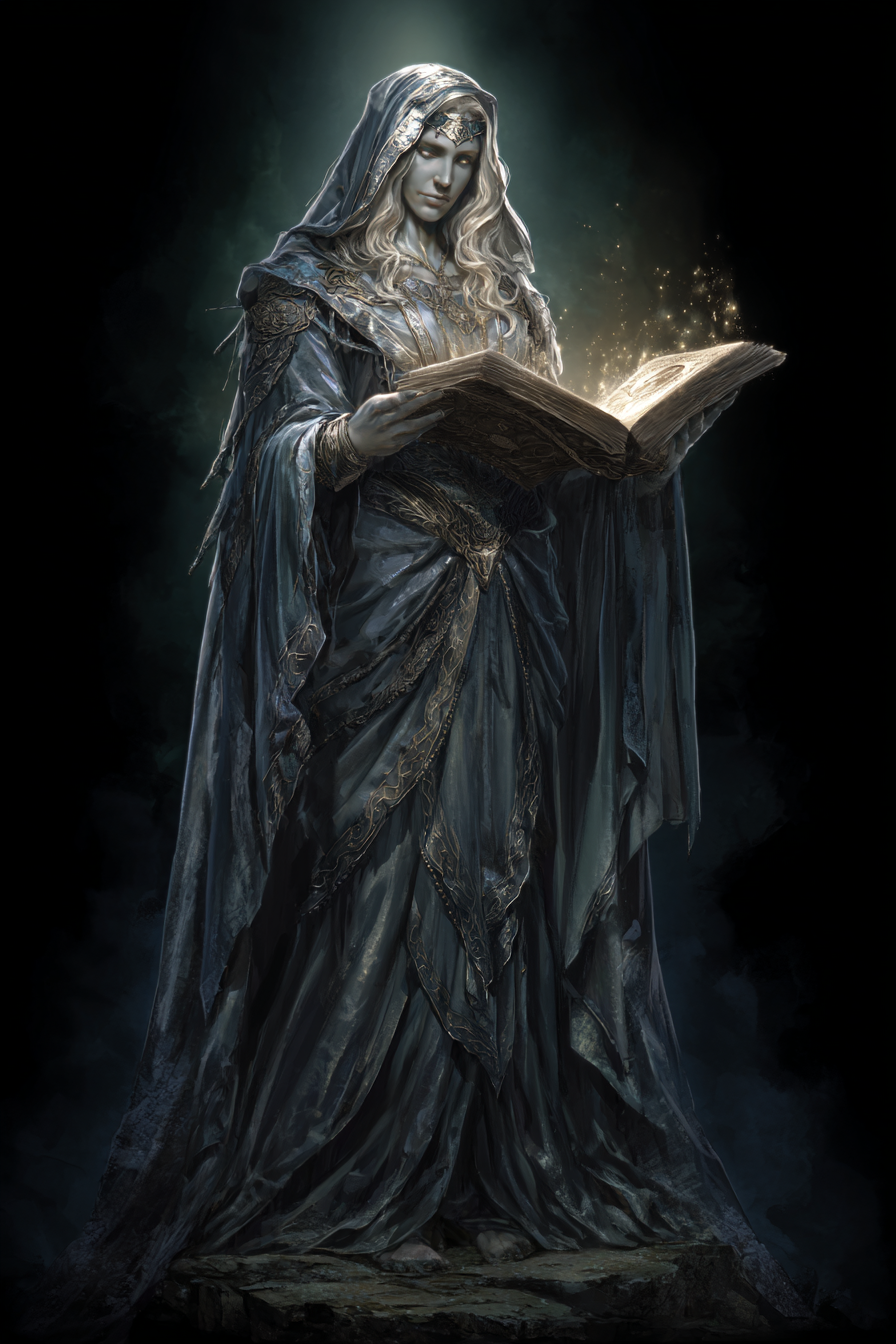
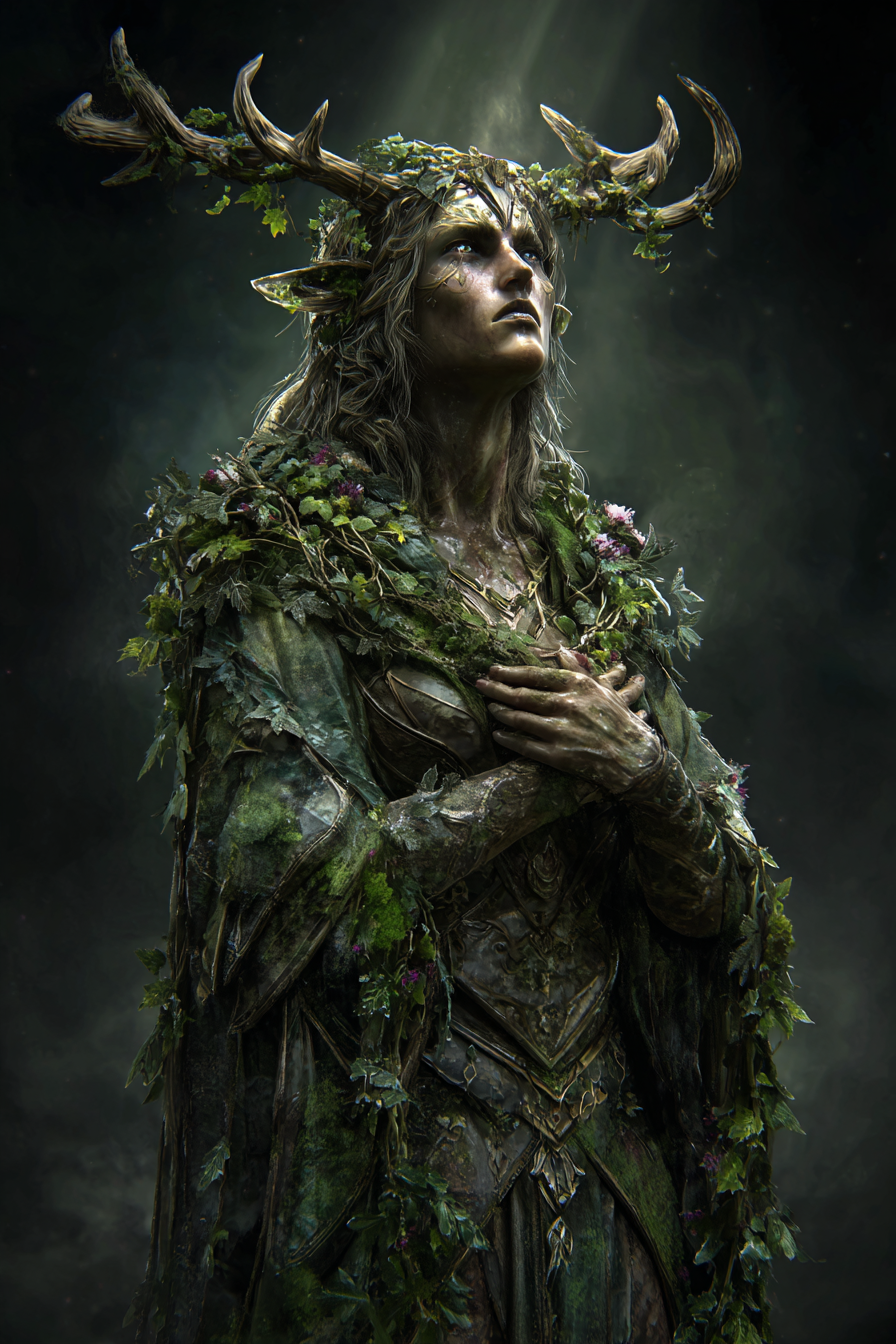
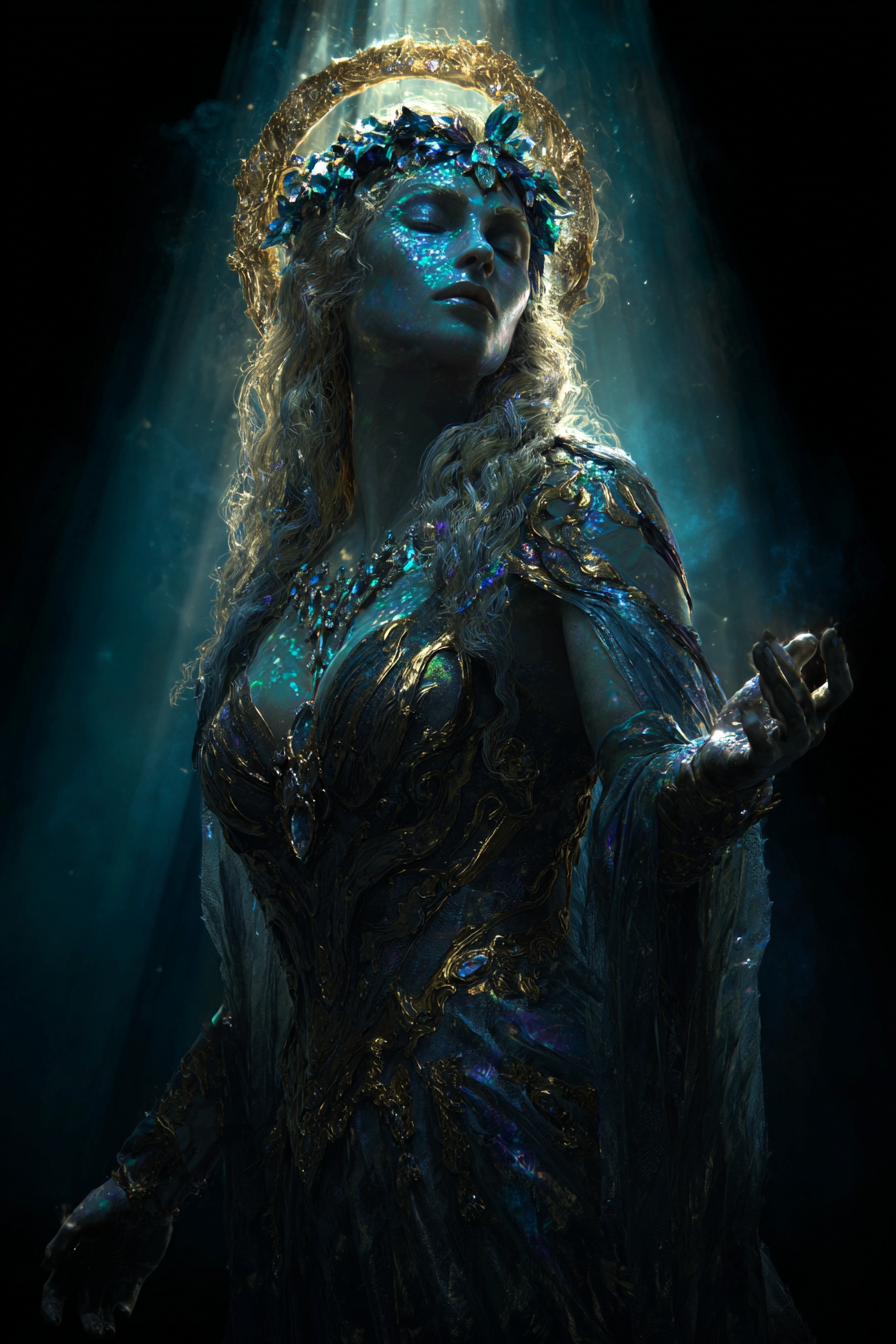
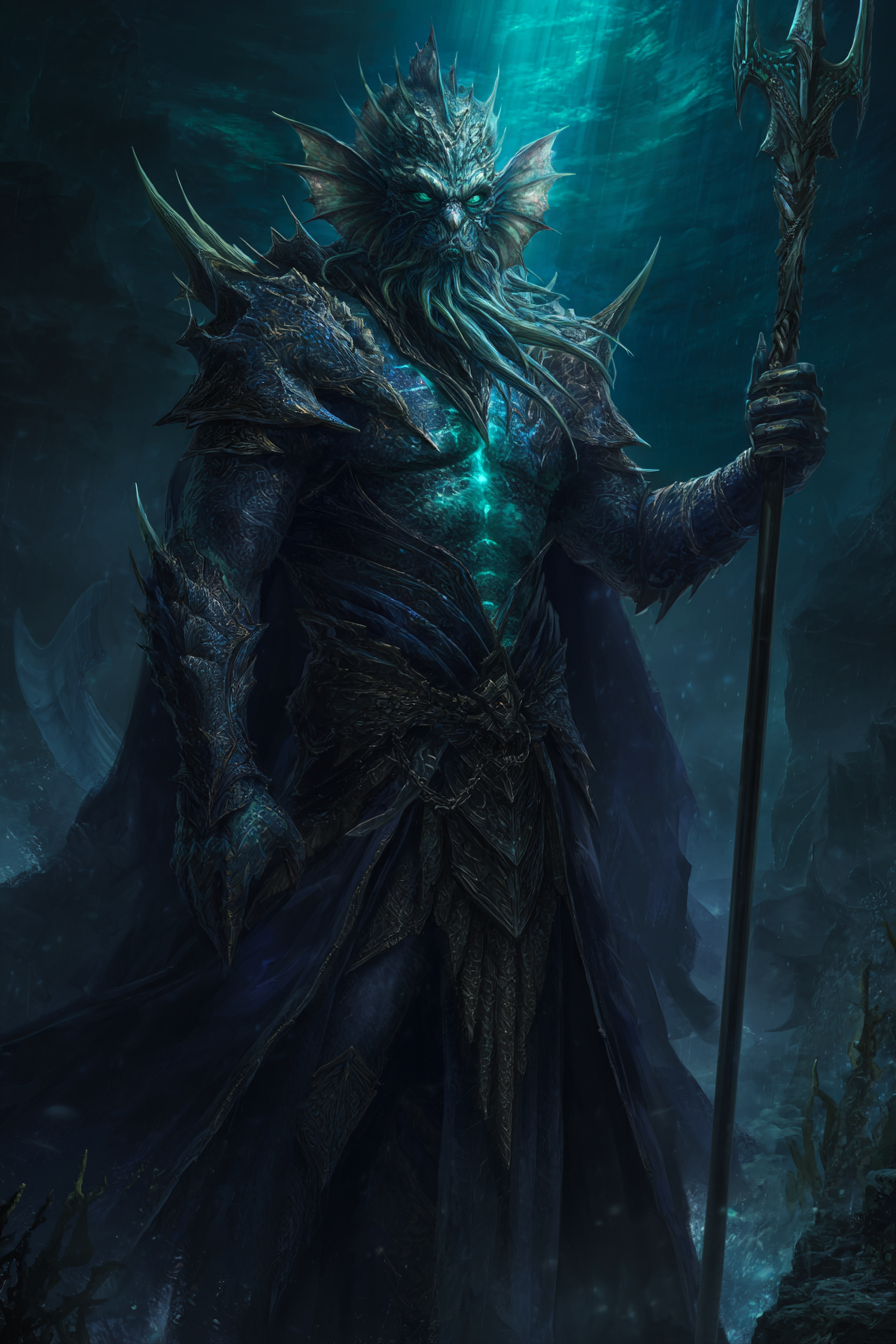
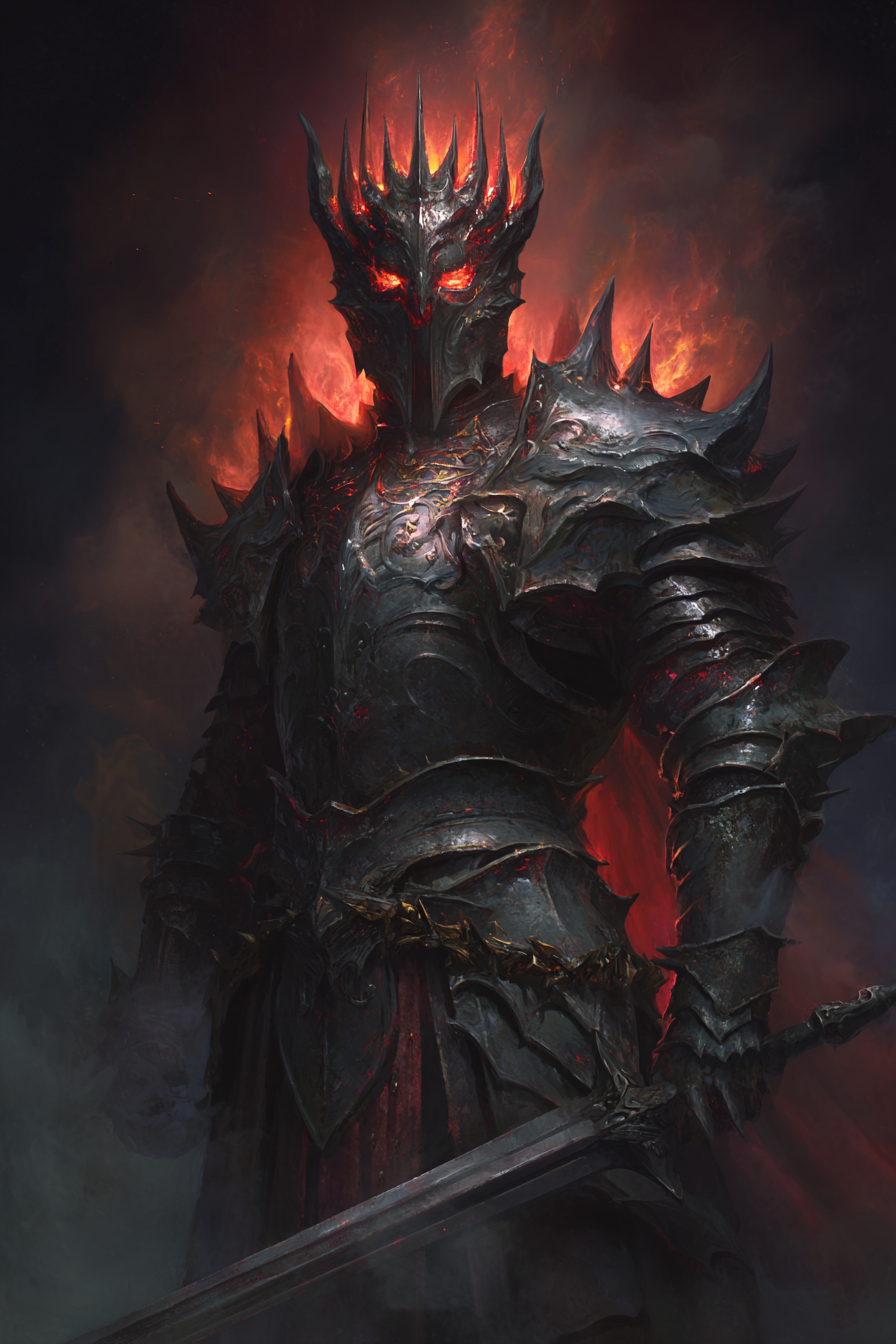
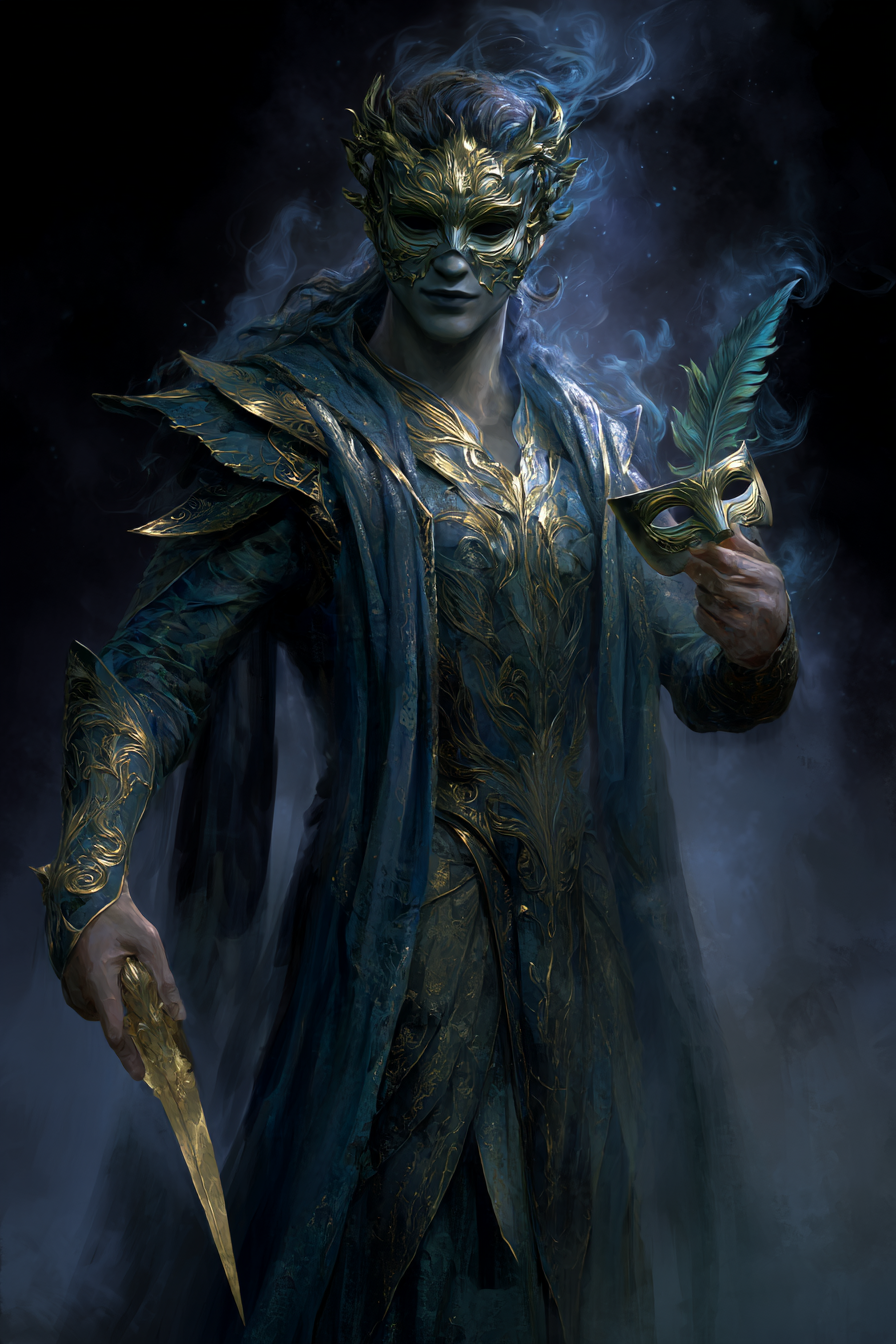
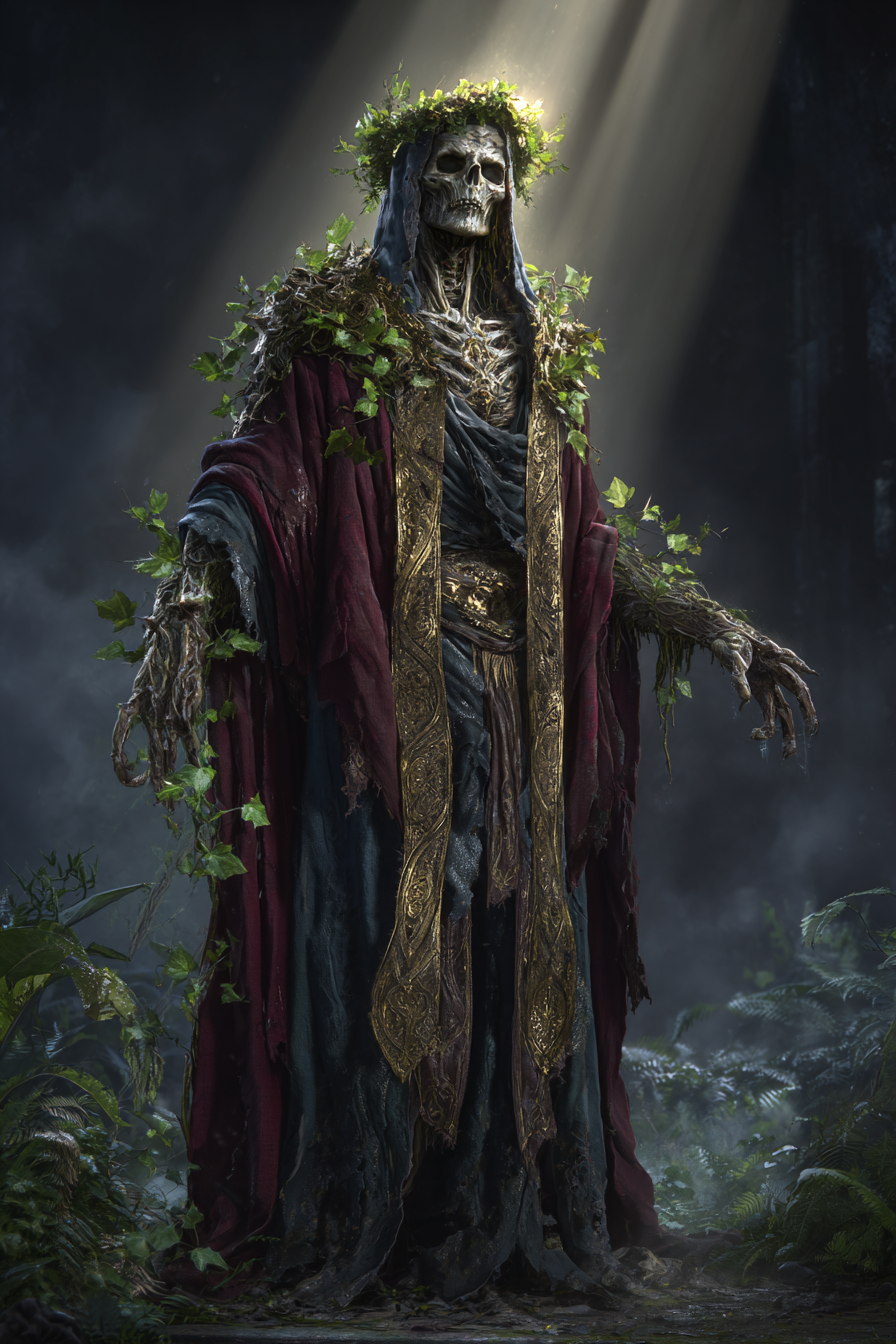
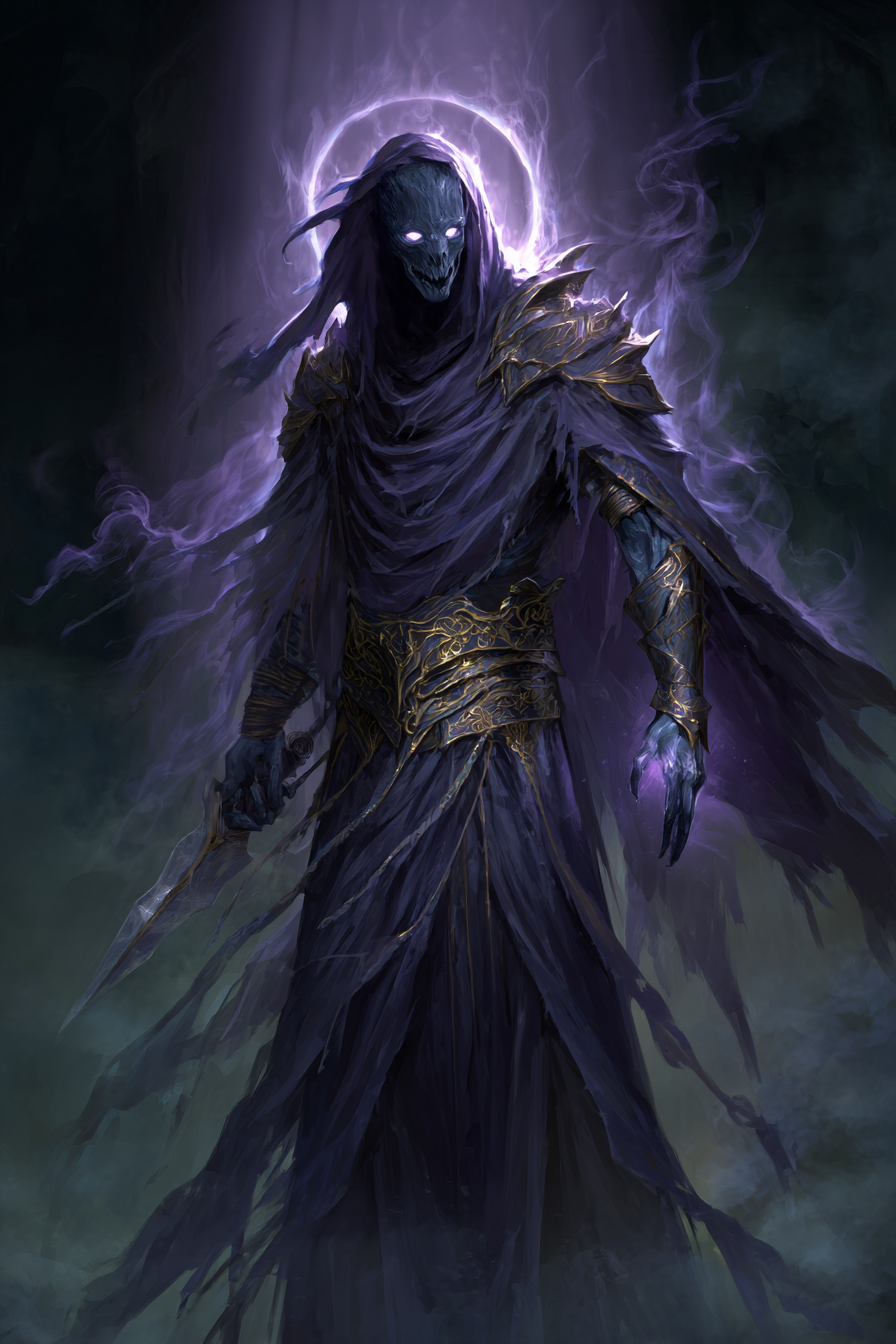
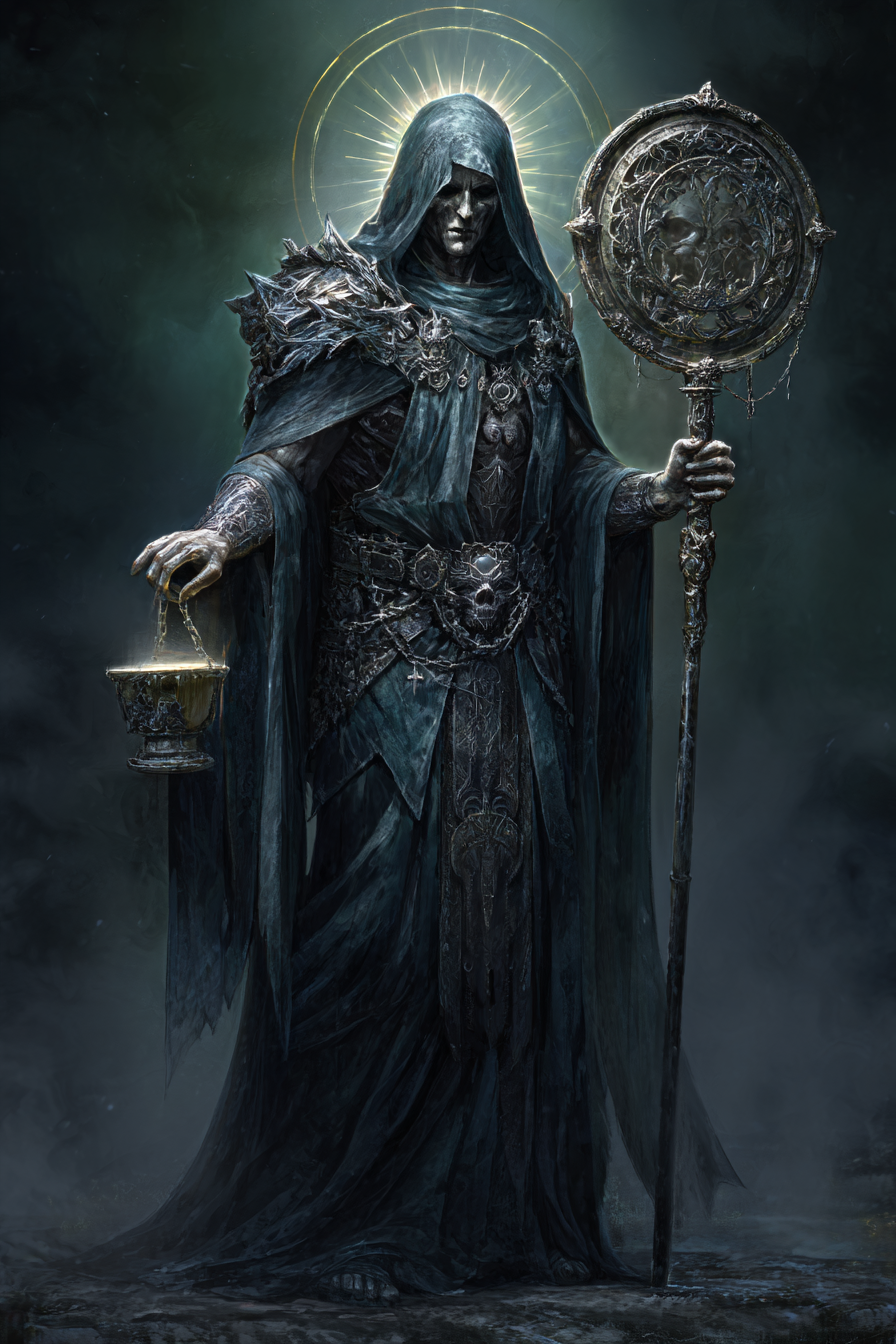
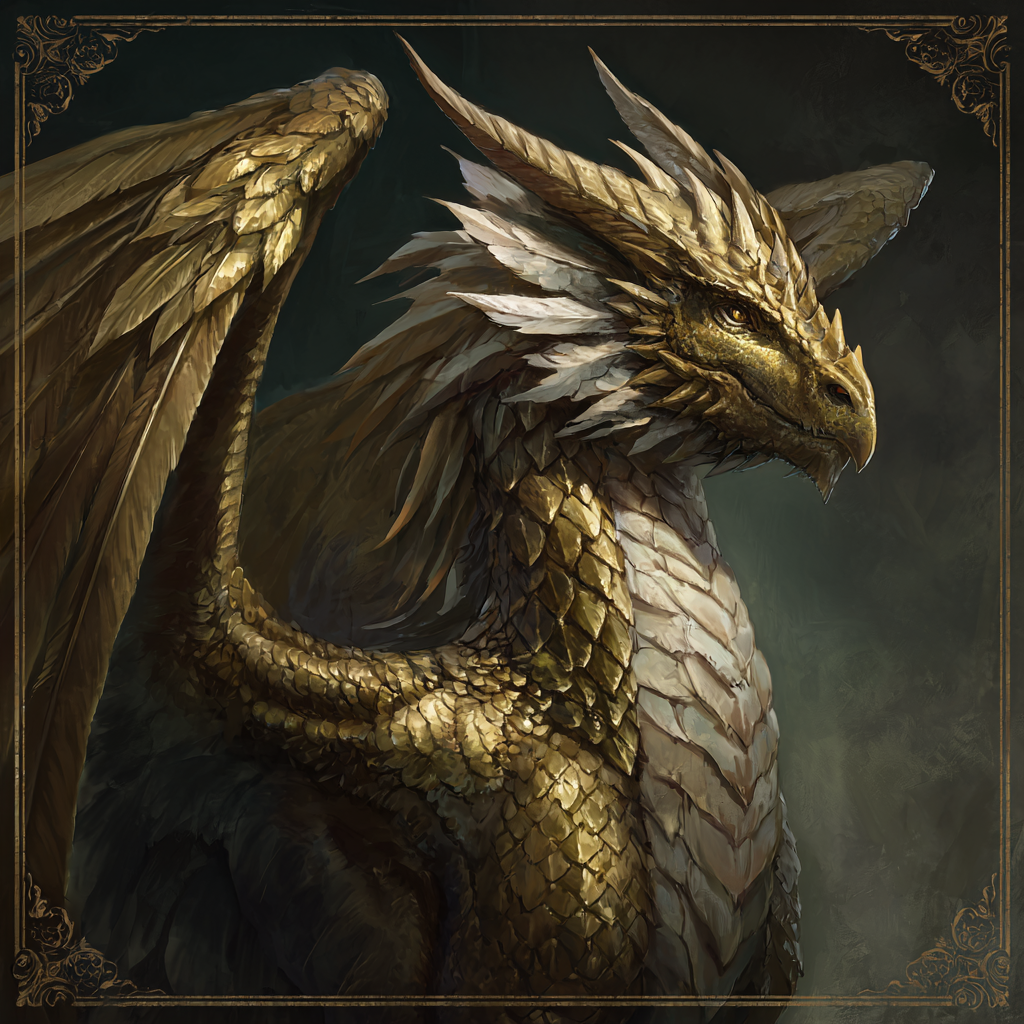
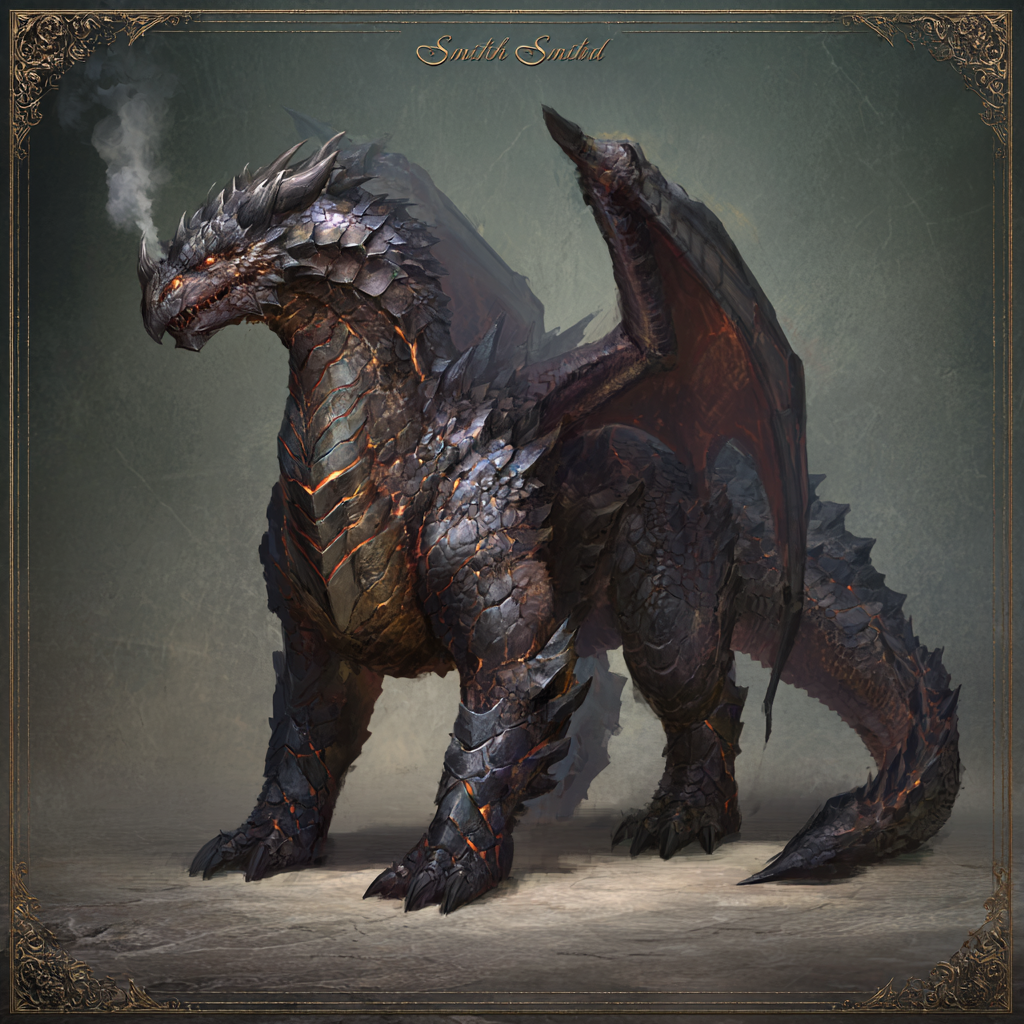
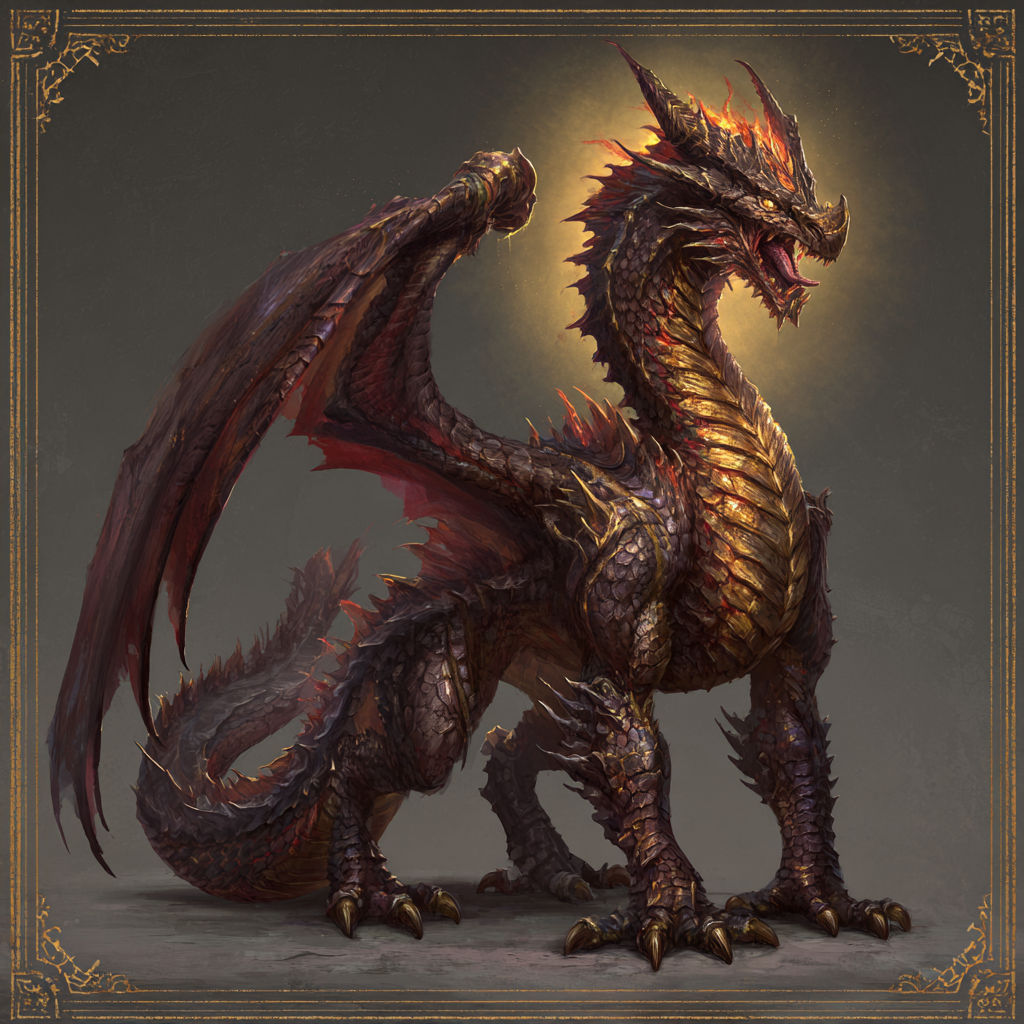
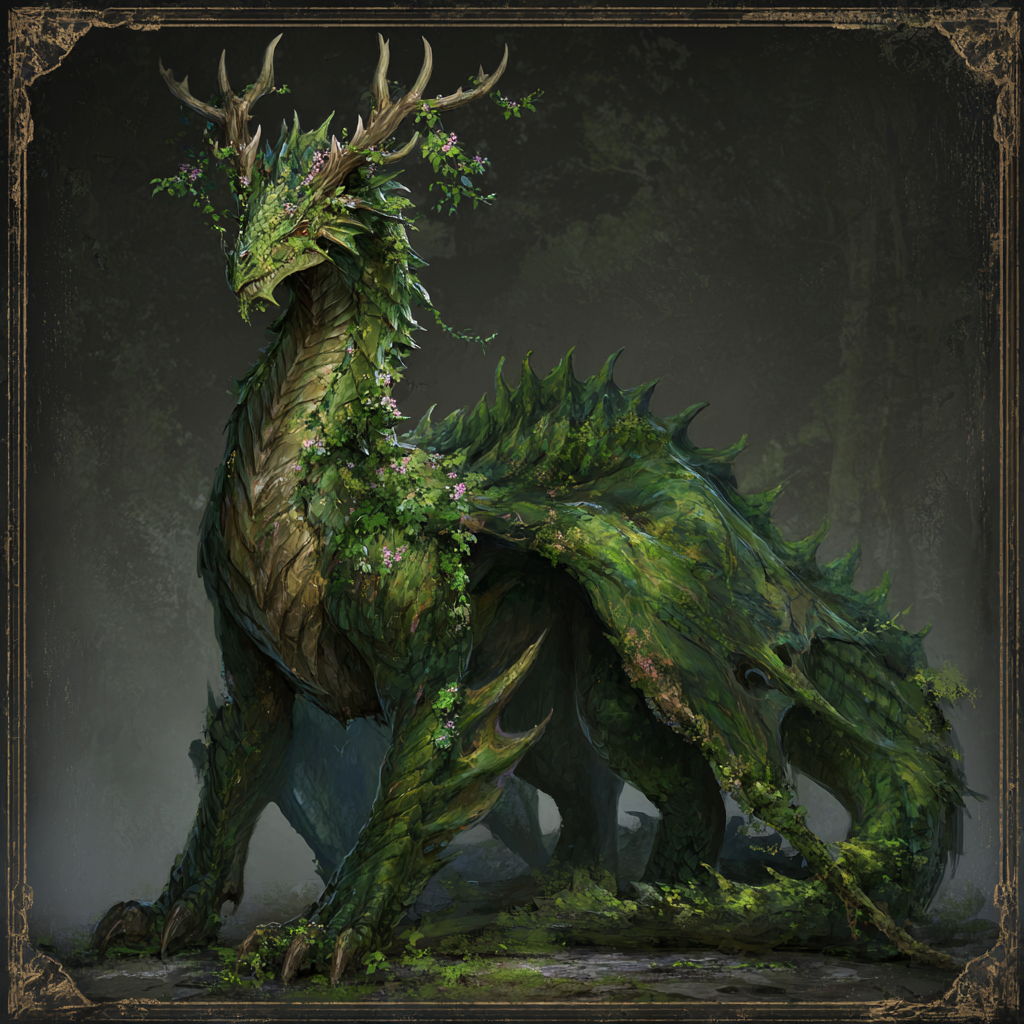
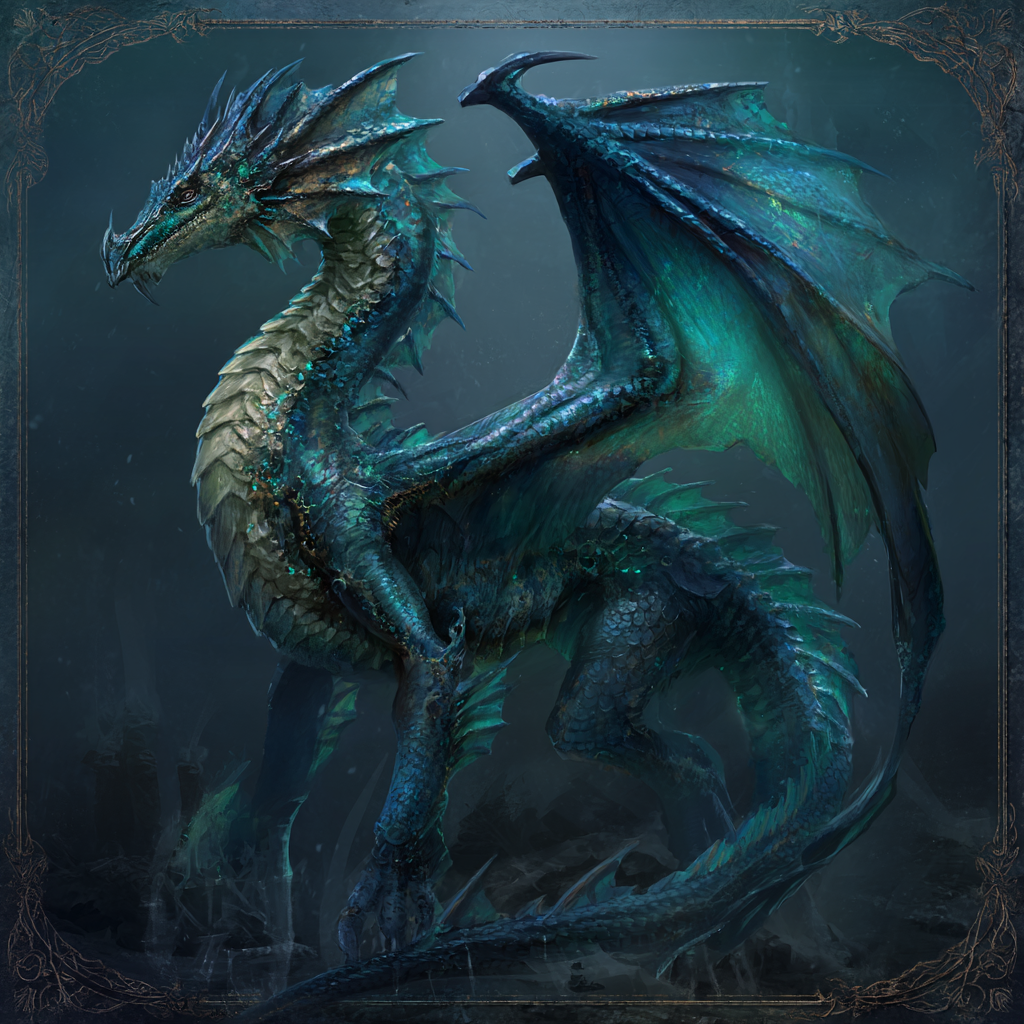
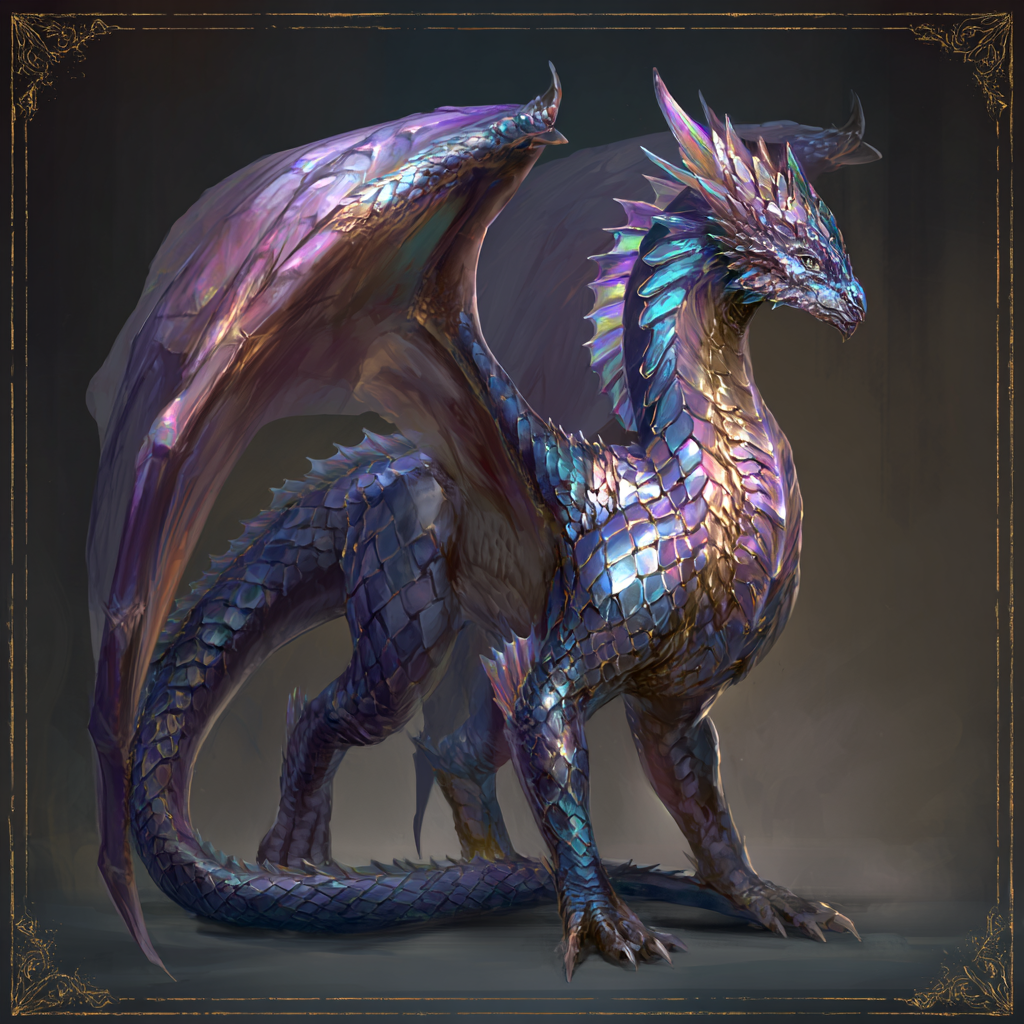
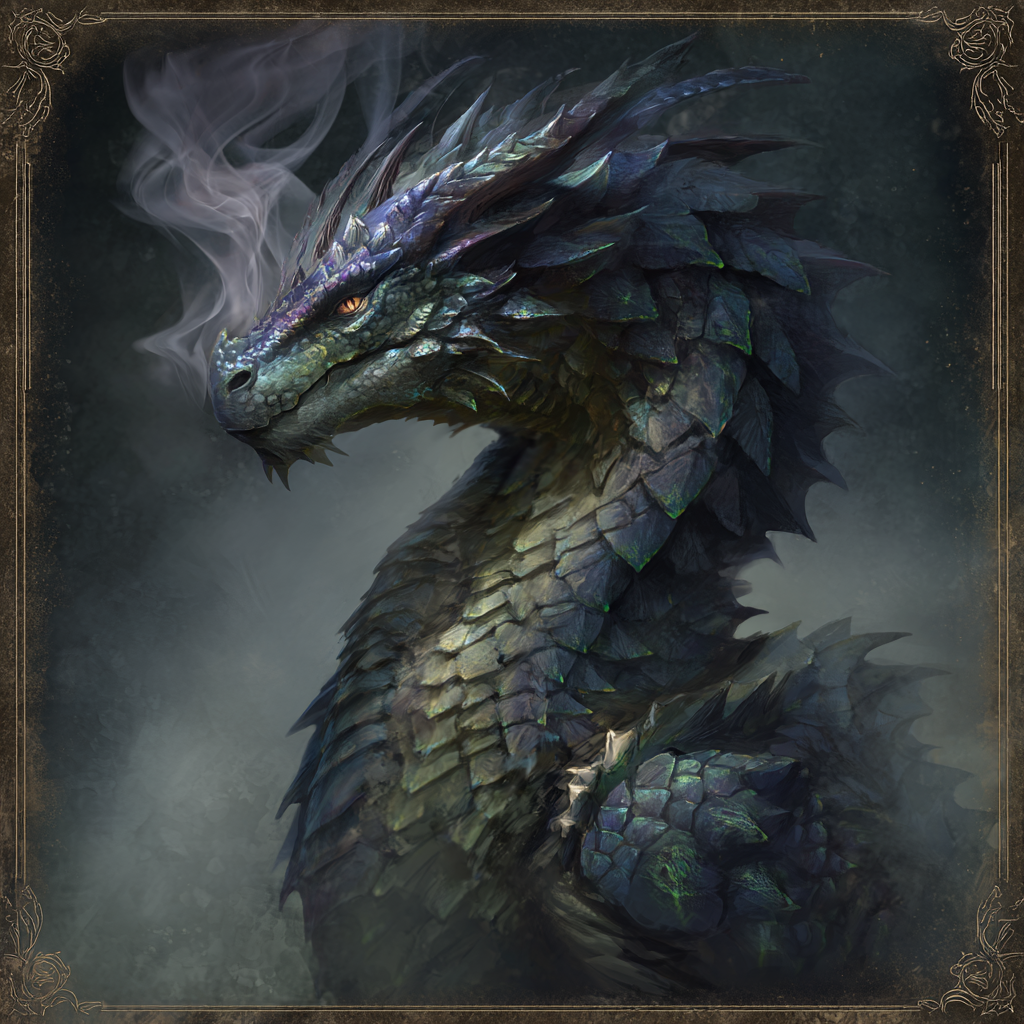
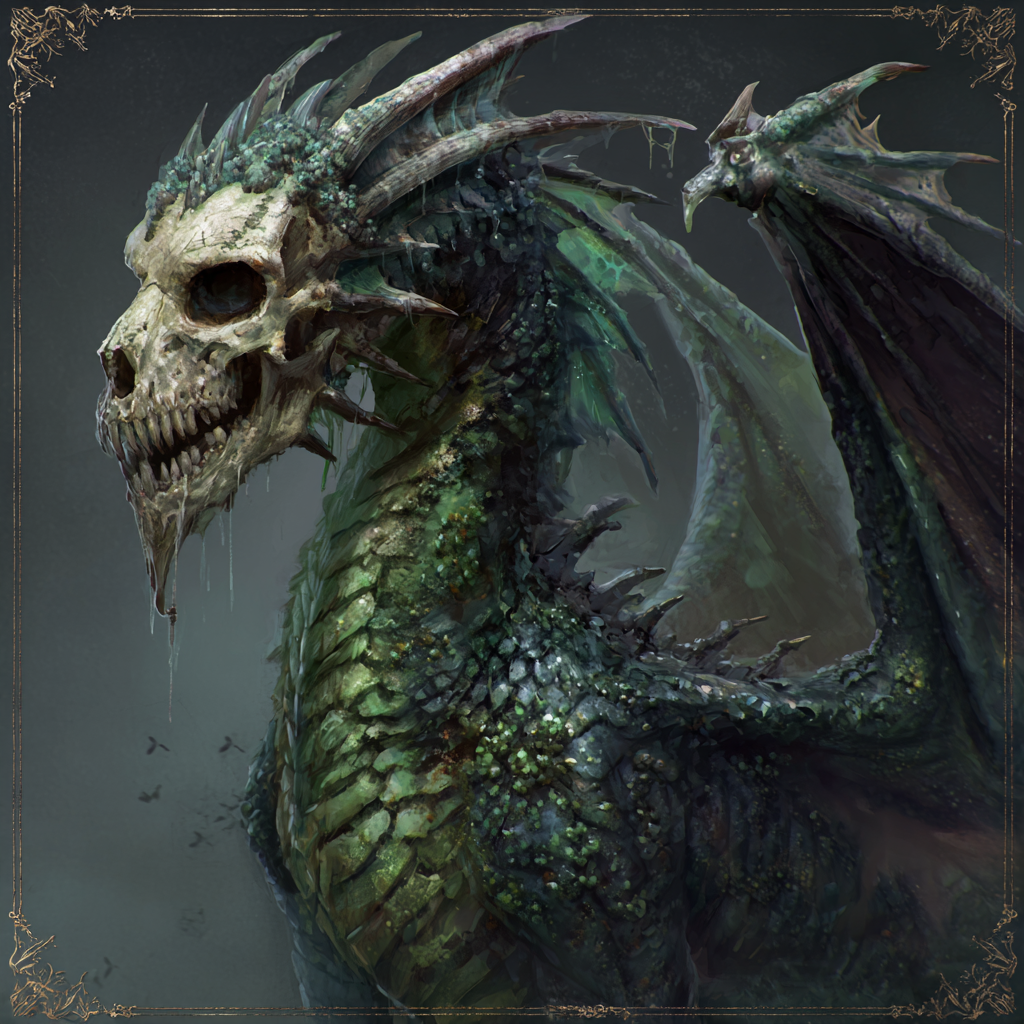
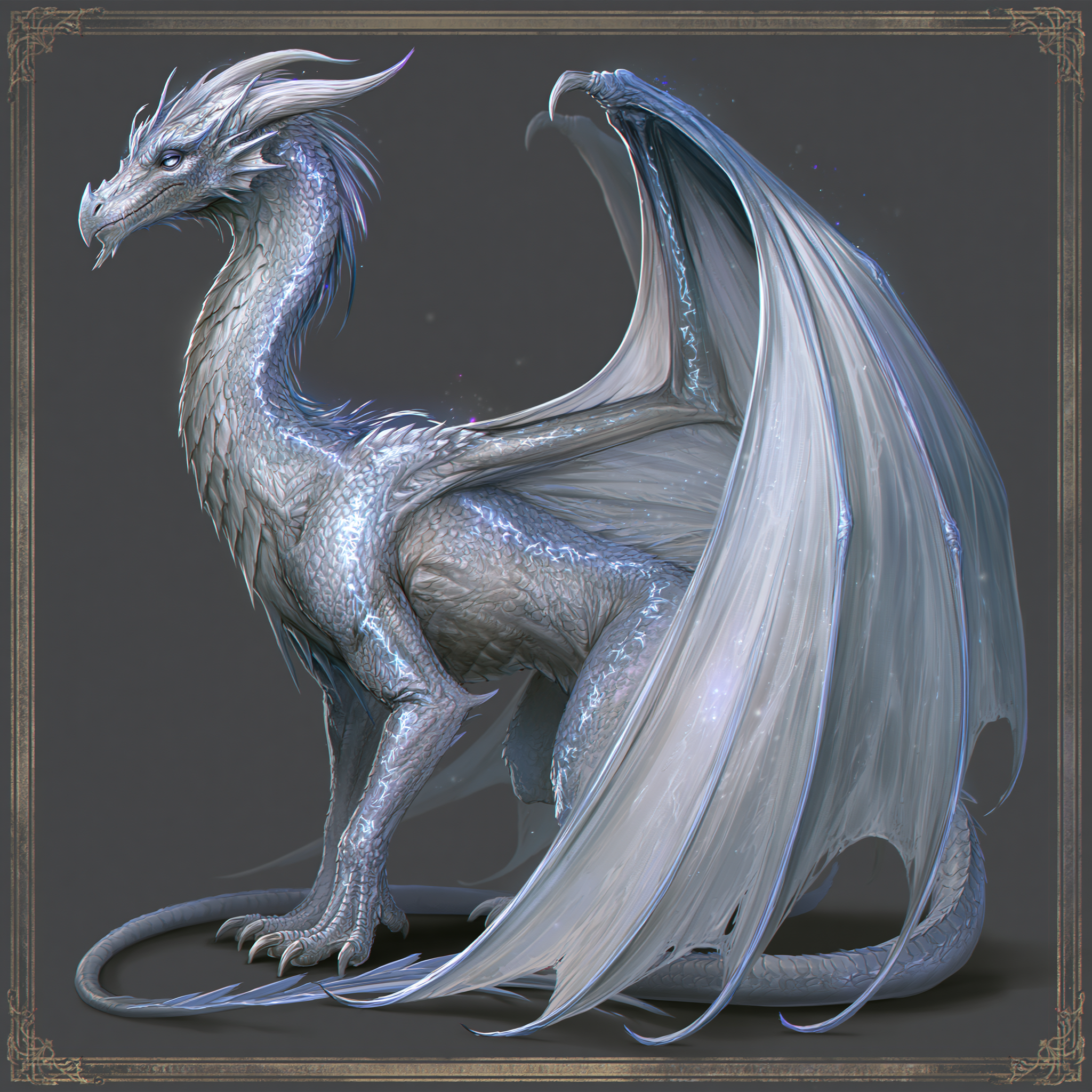
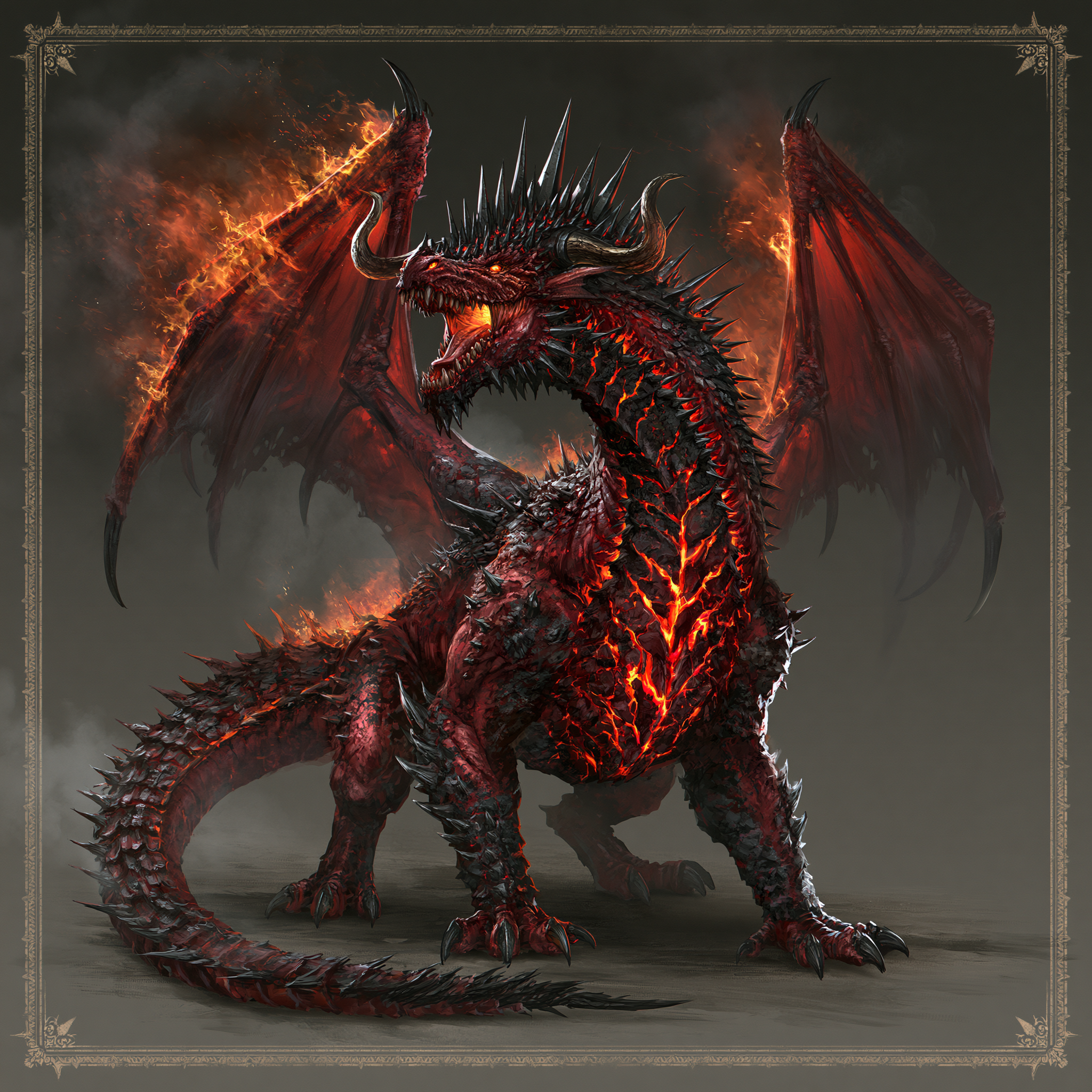
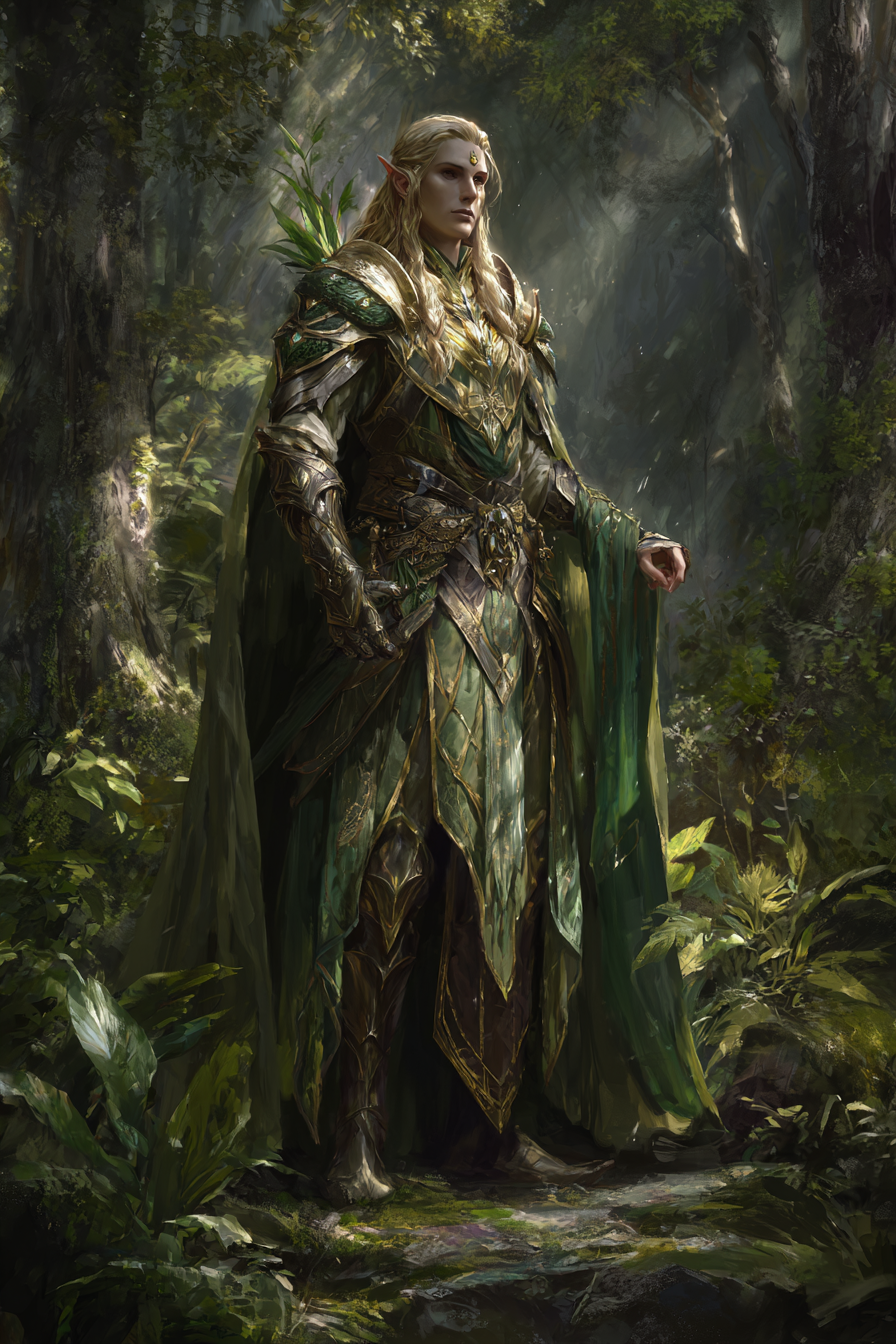
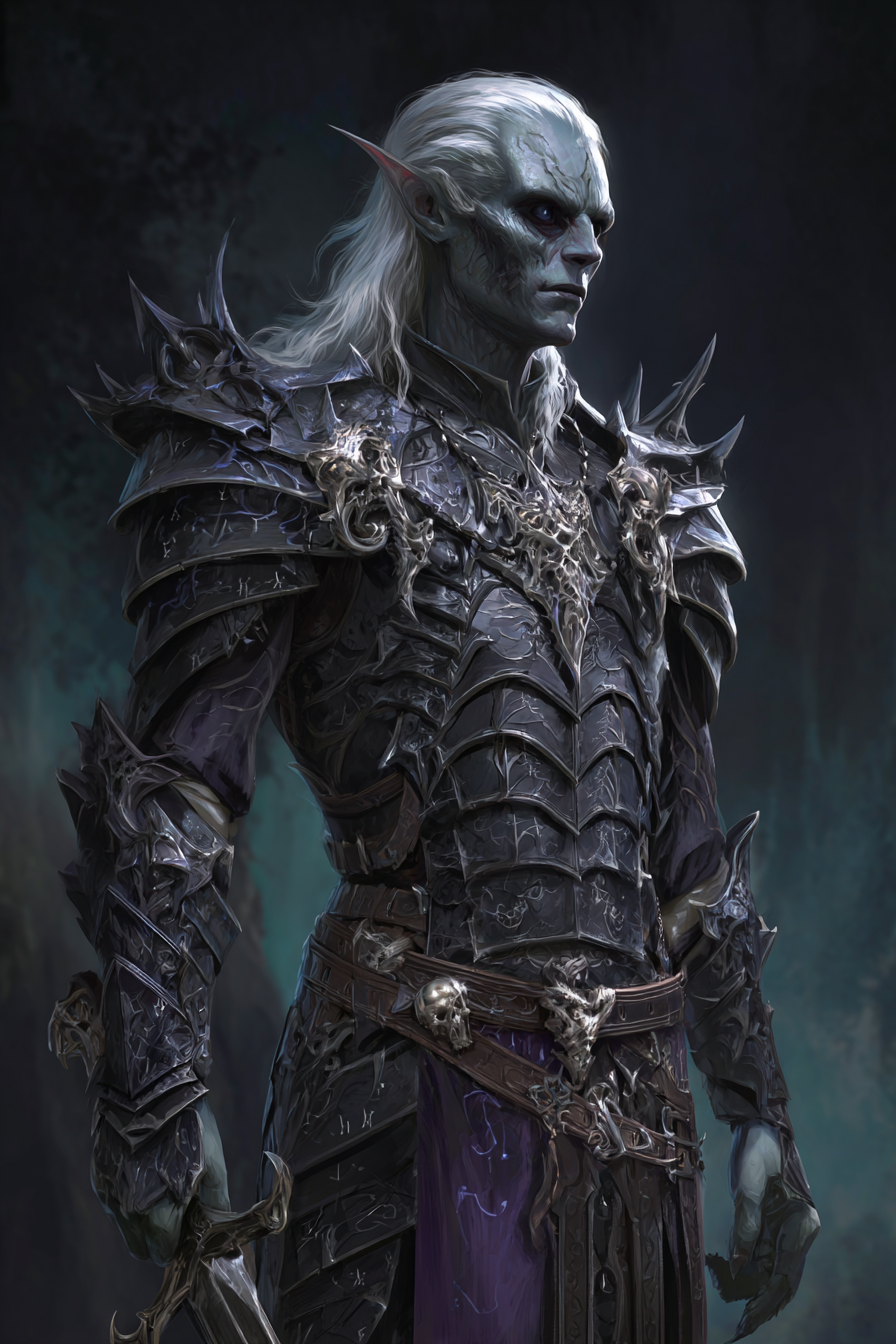
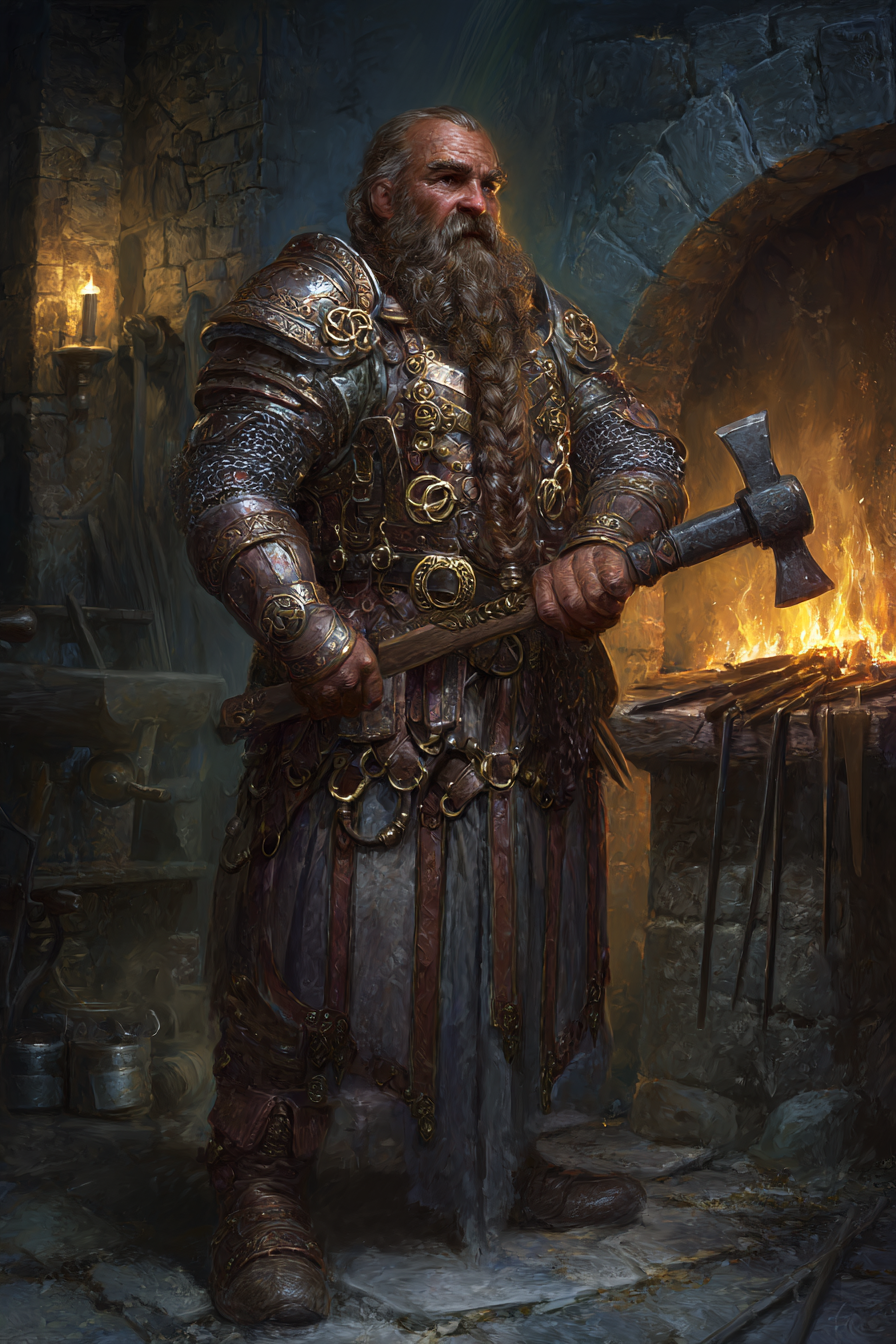
The Fall did not only split the gods; it split every order of being beneath them. The same fault line runs through each kind, but never the same way. "Dark" is not one thing: the dark dwarves are merely shifty and self-interested, while the dark elves gave themselves wholly to the Void. And Men, most divided of all, fall on every side at once.
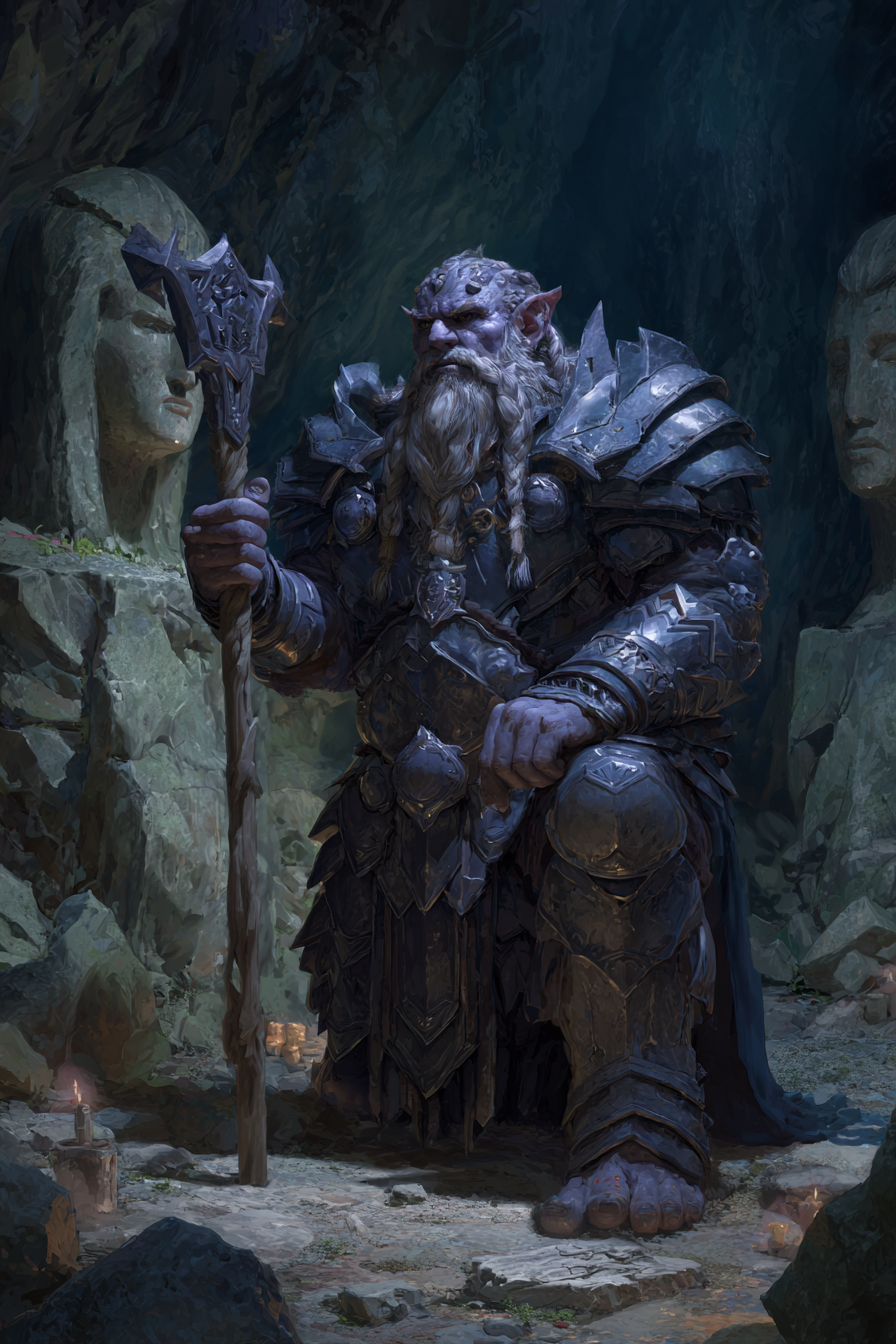
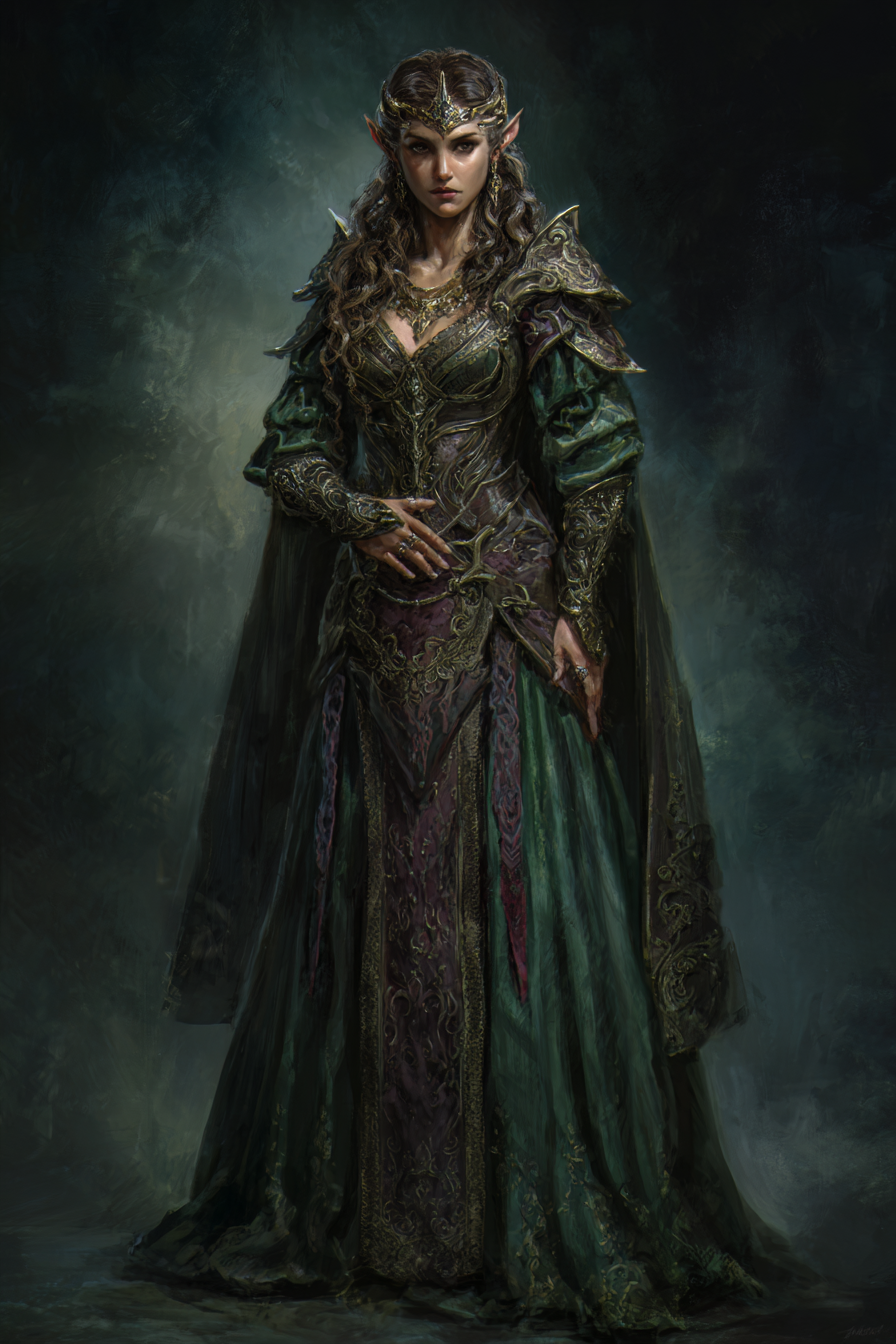
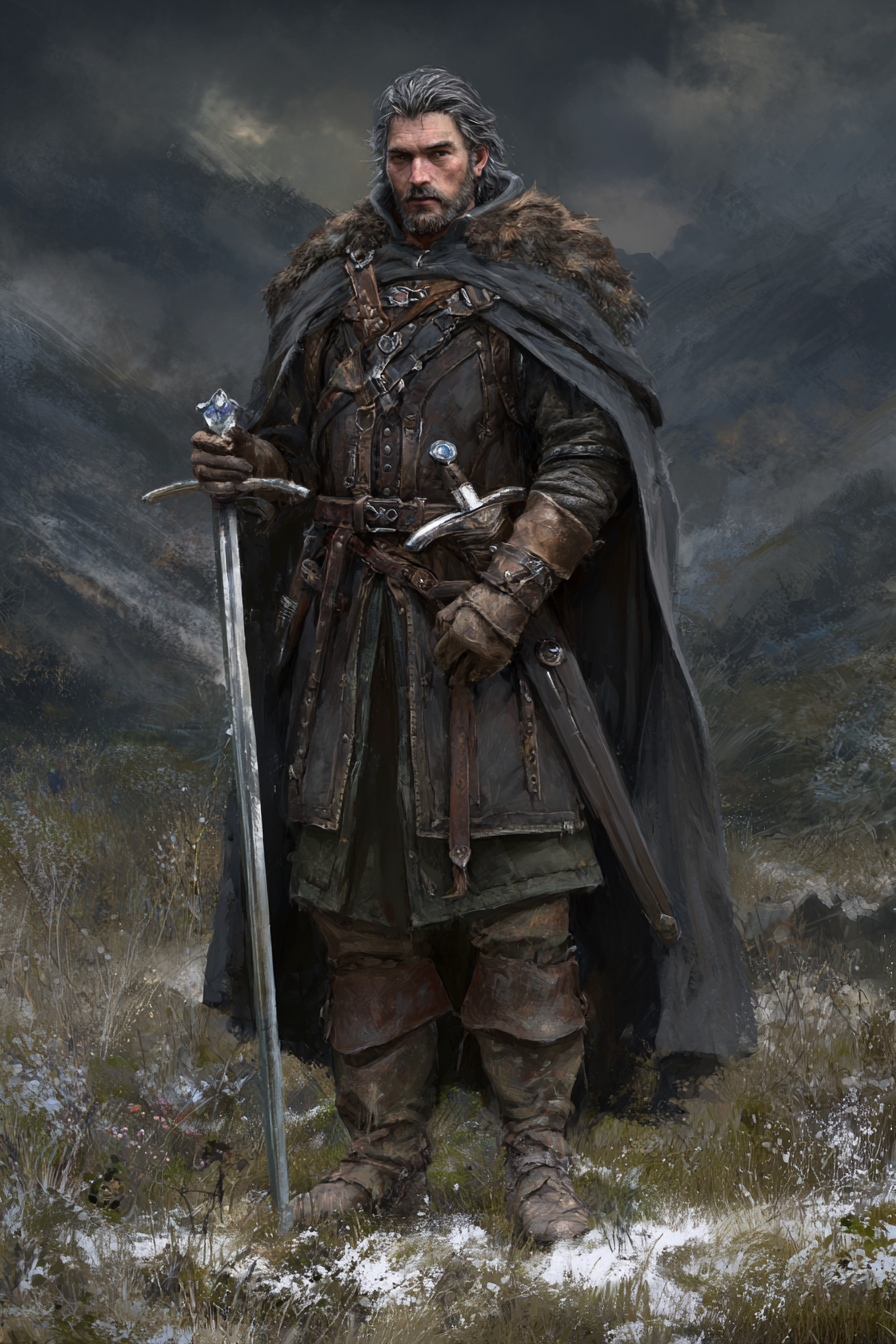
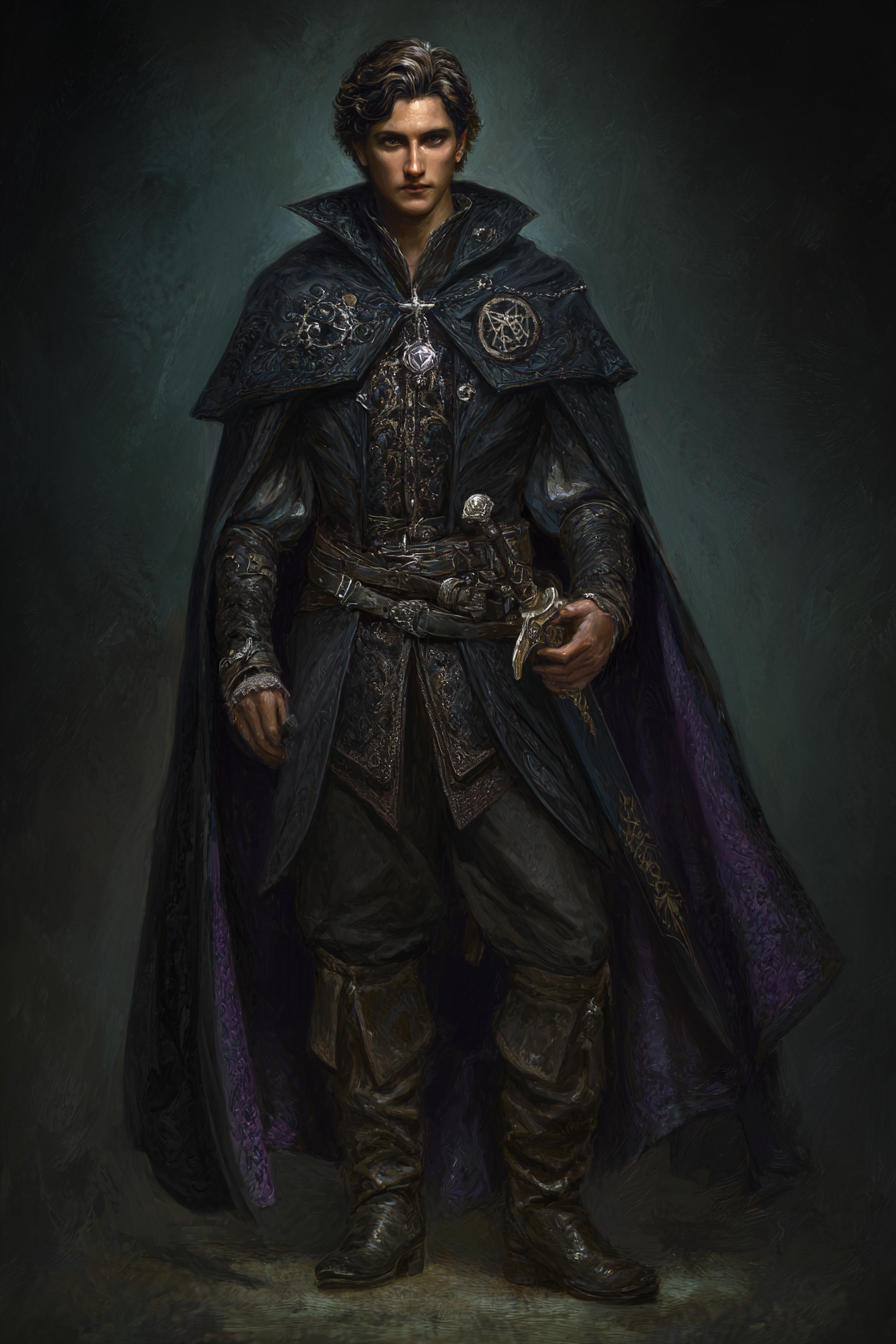
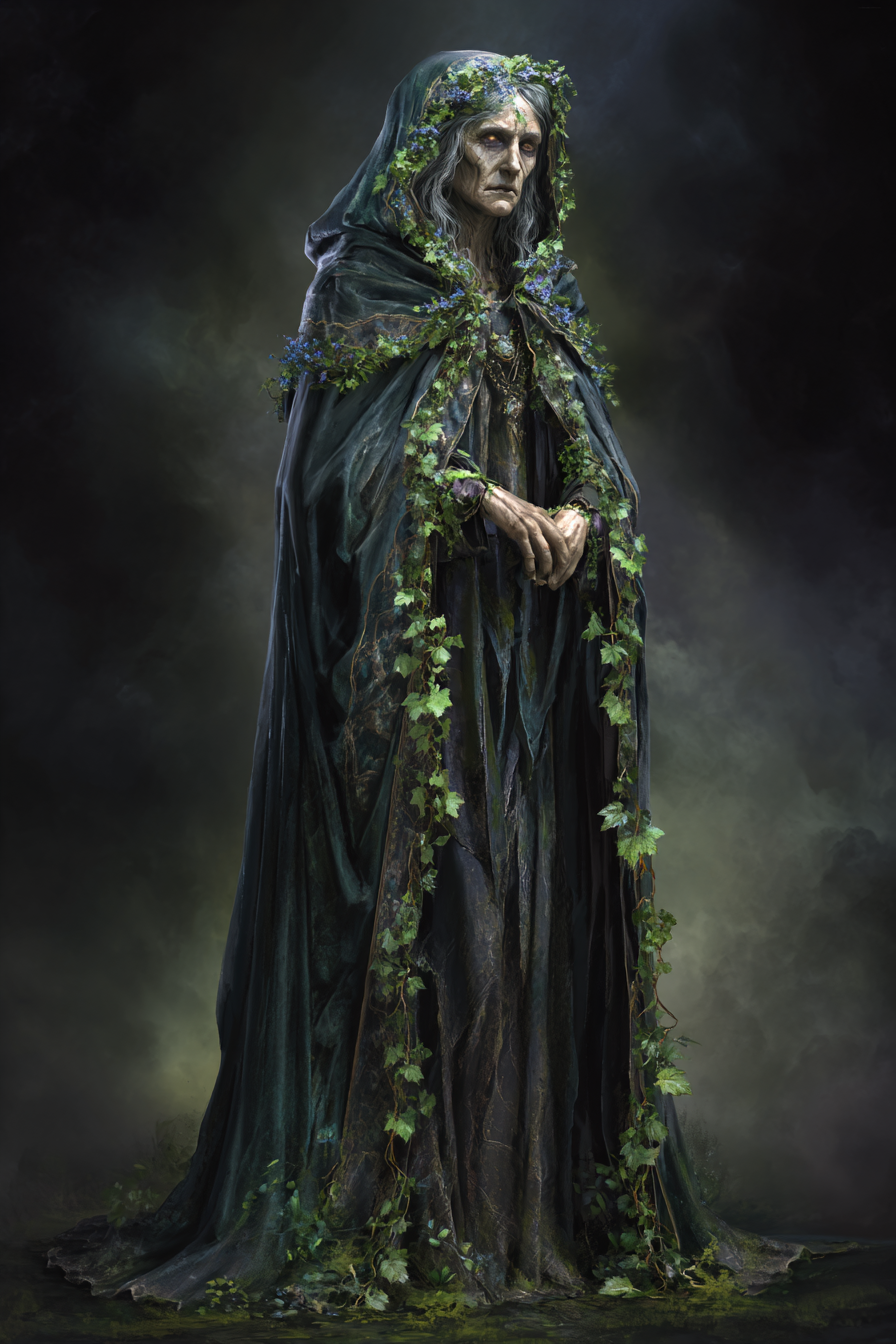
Beneath gods and mortals, the world itself is half-awake. Its great powers are the Elementals, kin to the god whose domain they embody; its wild middle are the beast-folk; and its least and most numerous are the Small Folk, the Muses who kindle mortal art and fall silent as the light dies. When the little folk go quiet and the wild things turn feral, the age is deepening.
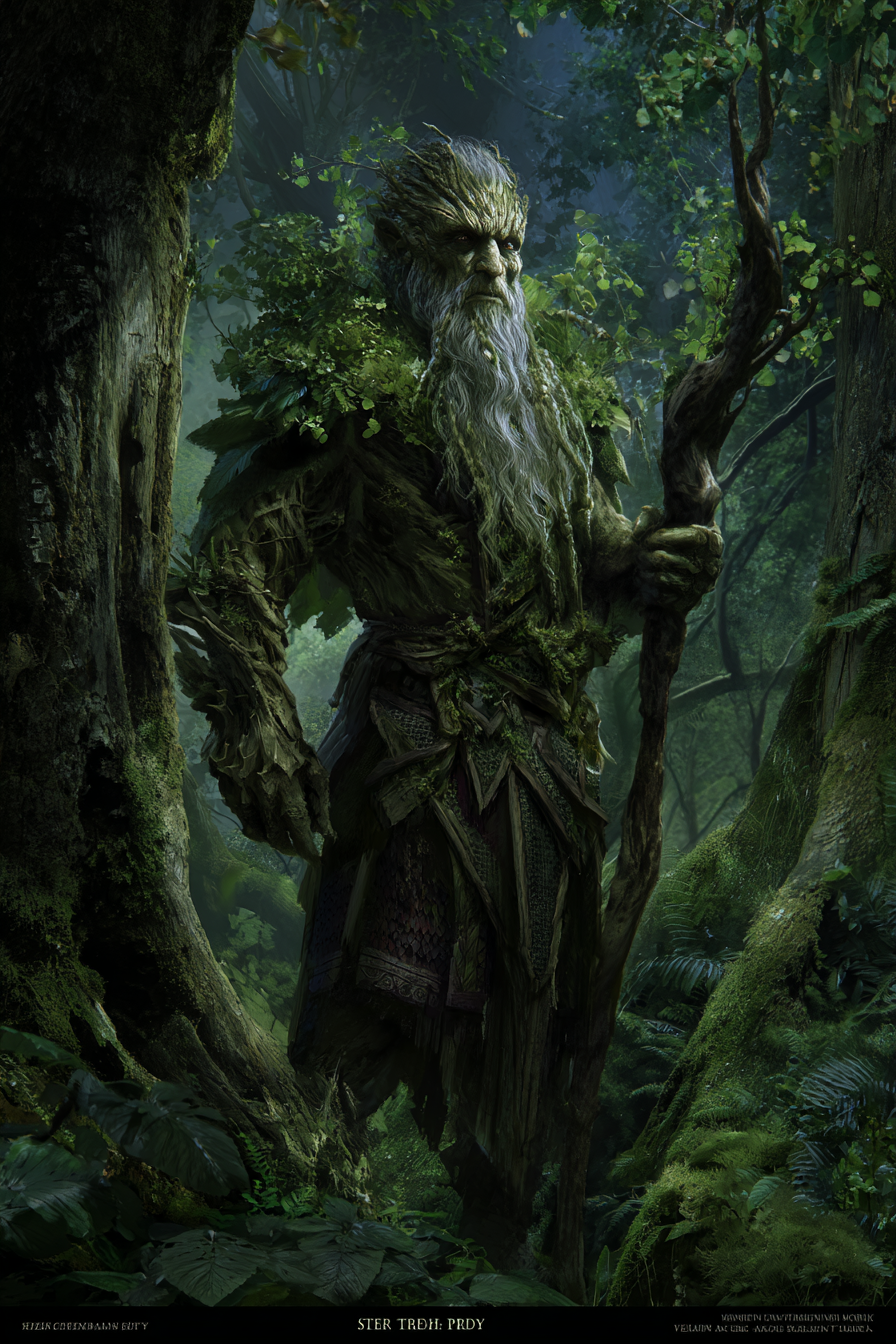
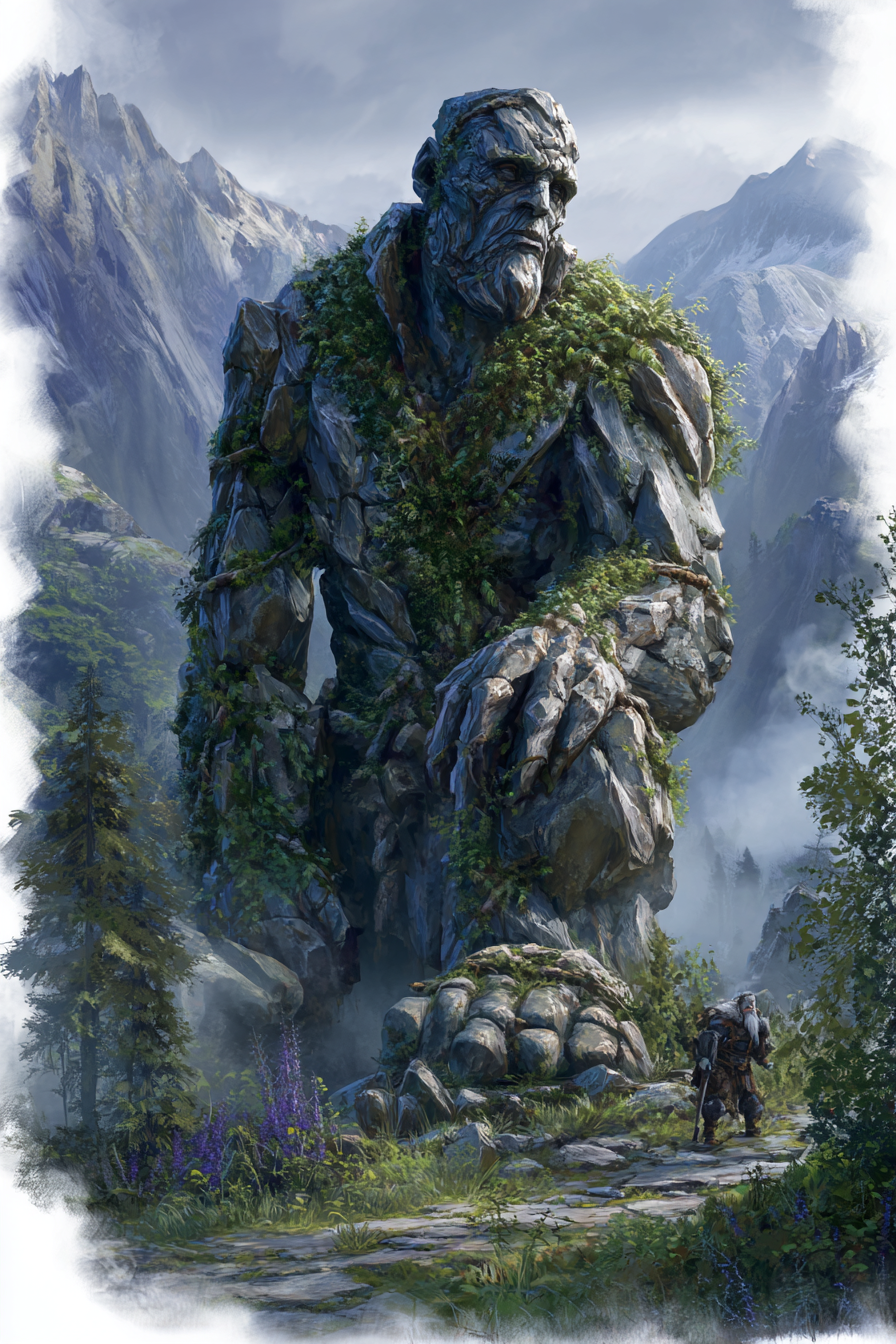
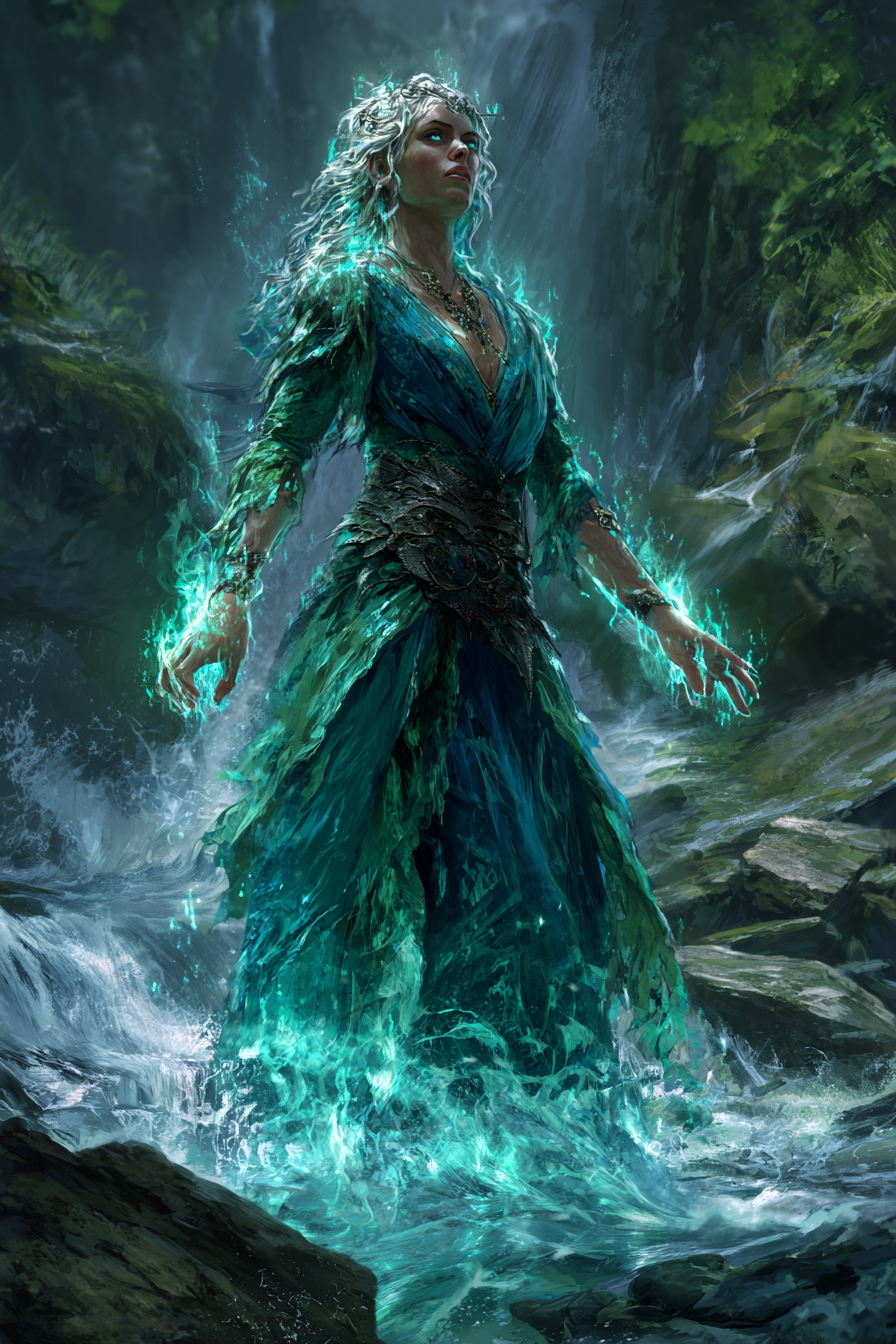
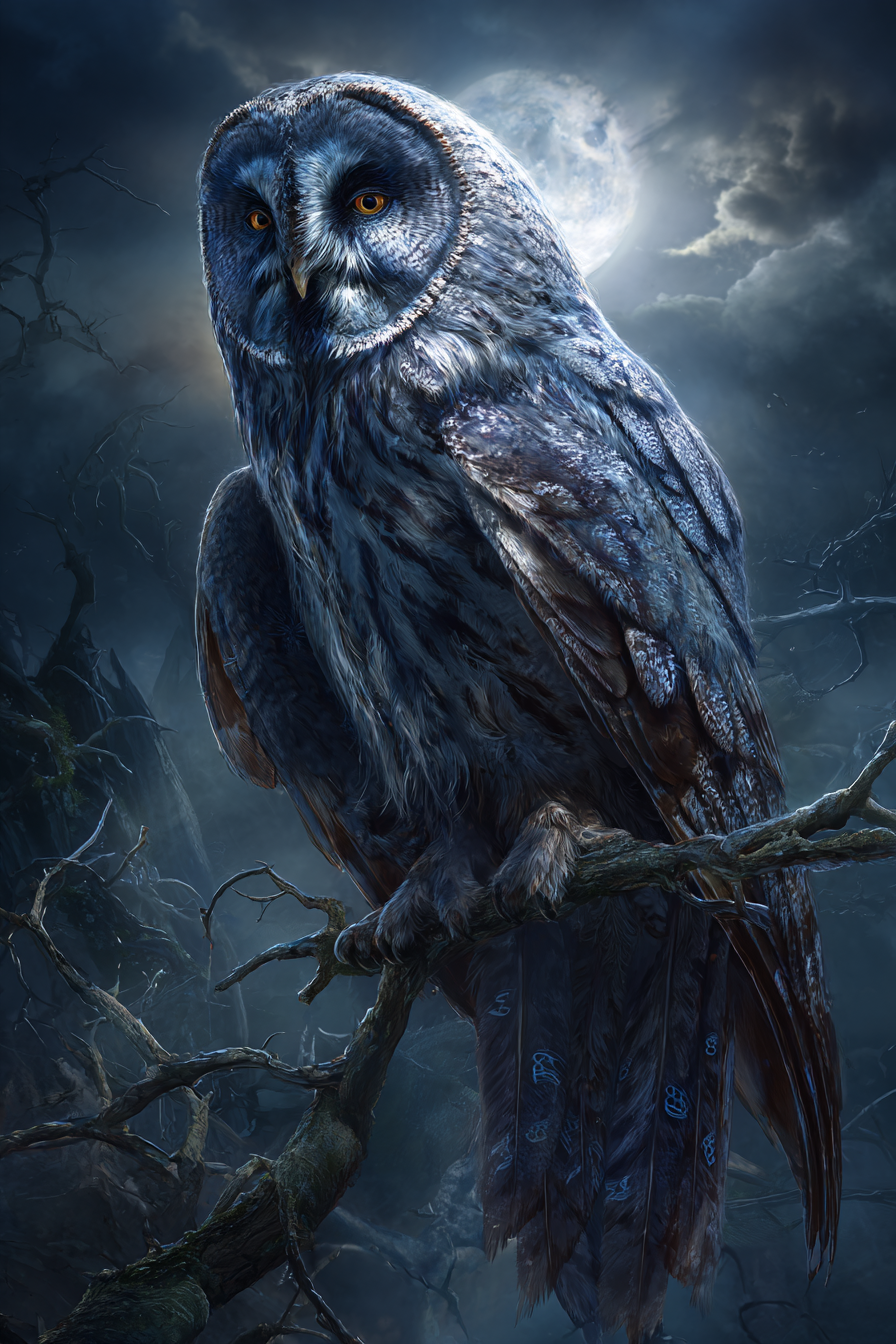
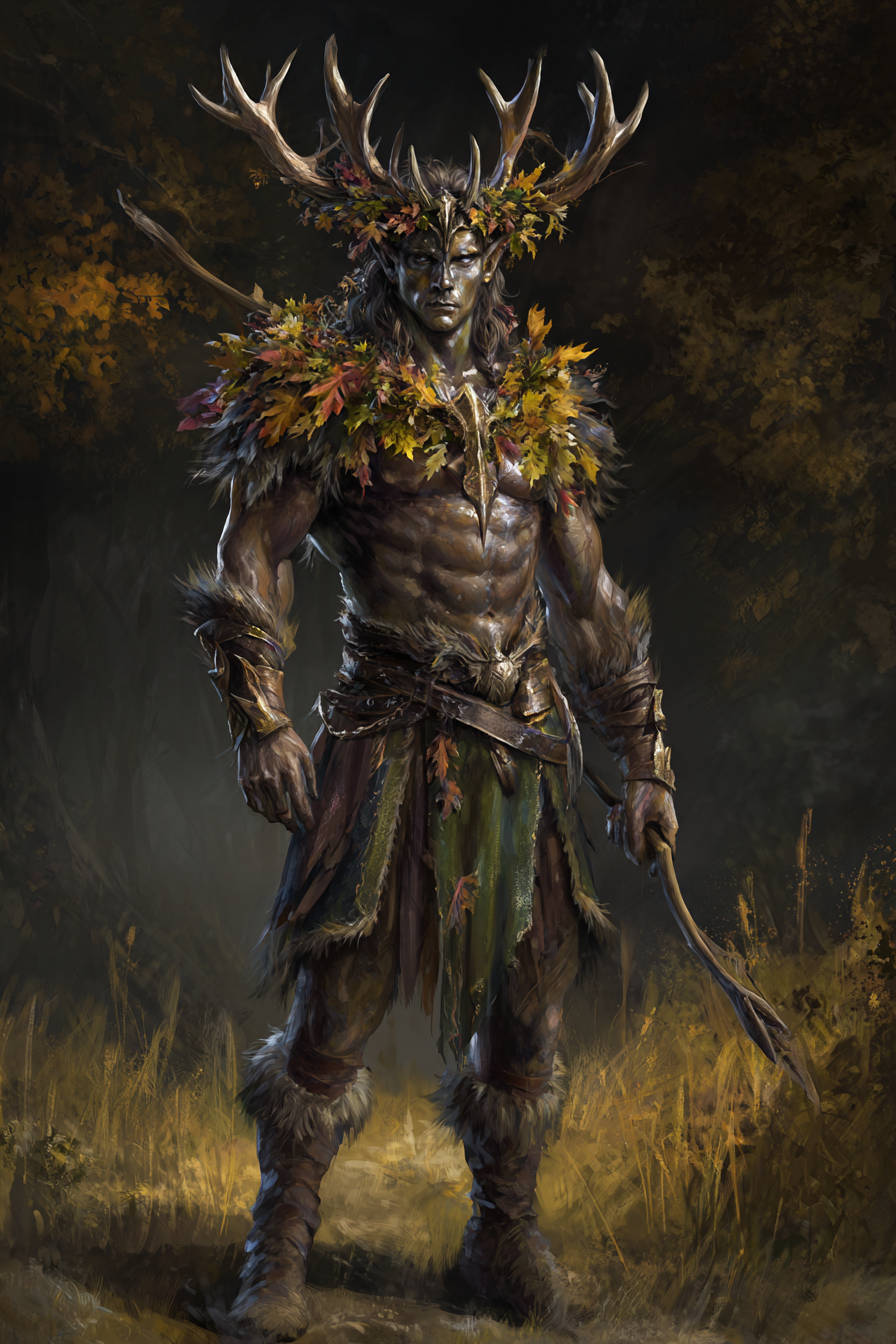
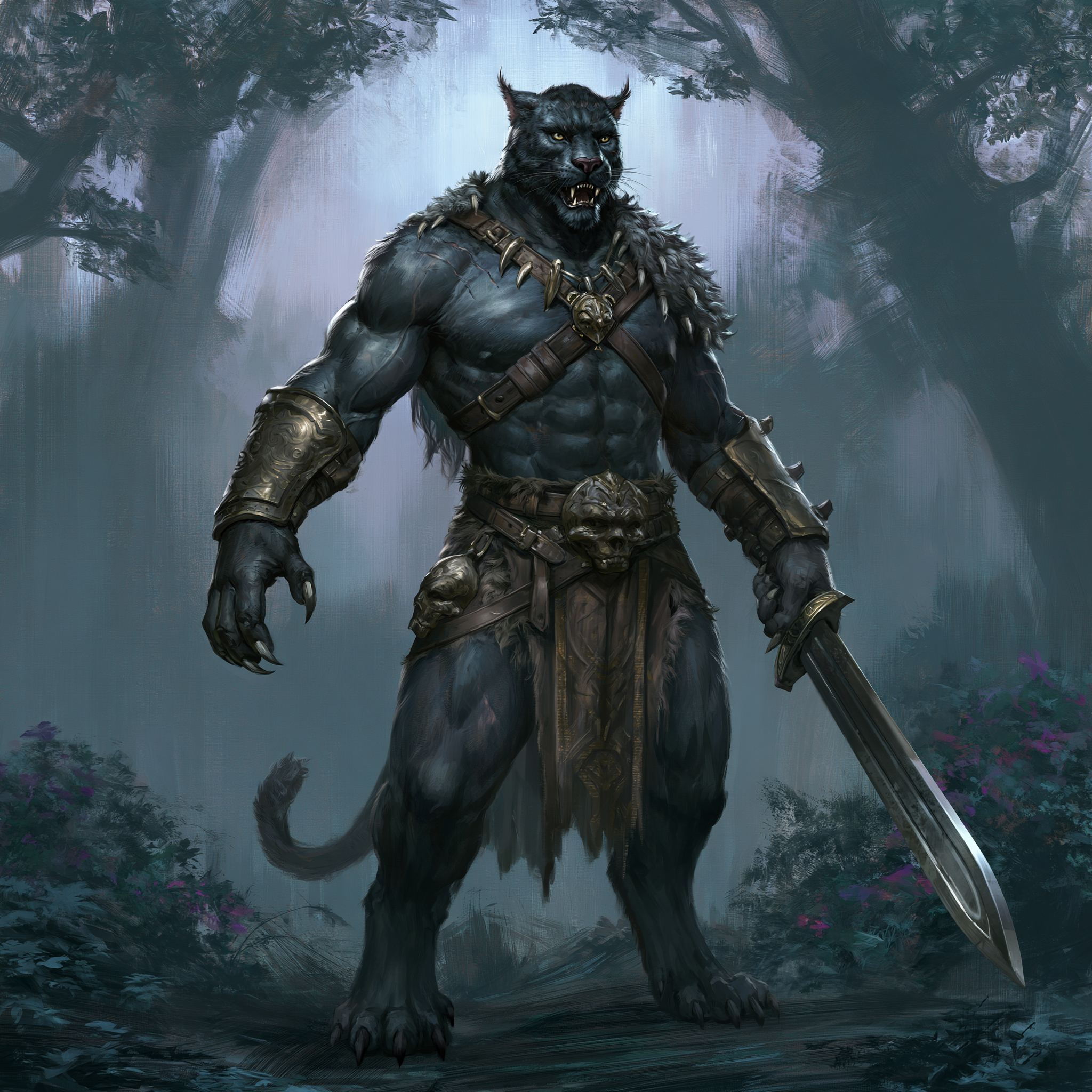
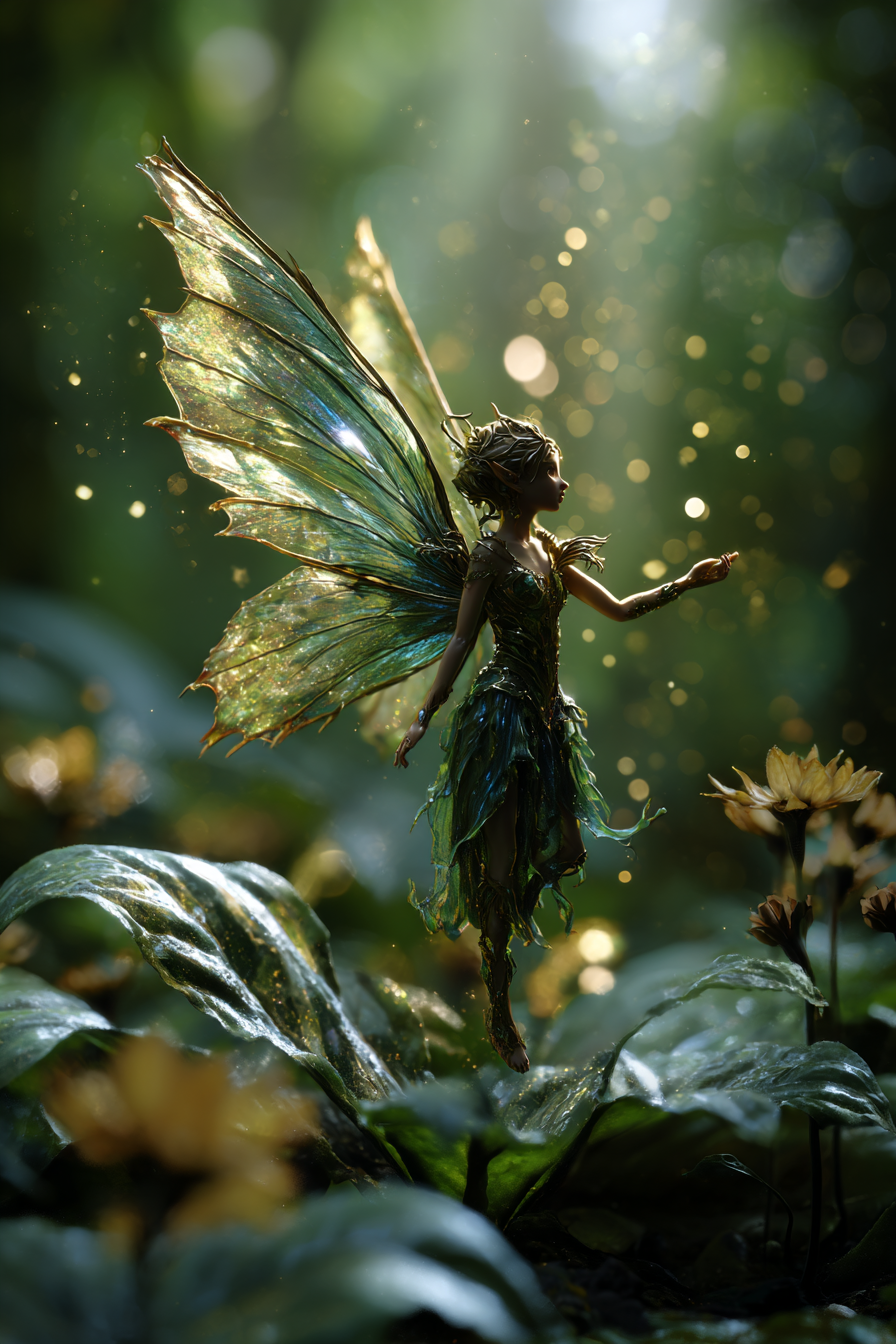
Every institution in Fallen Wyrms is defined by its relationship to the fading light. They form a stack: mortal, natural, and divine.
Wizards divided over a dying resource. The Wardens hoard it, the Free Art spends it boldly (and burns it fastest), the Deepening chases the Void to replace it. A doom-loop that is itself the death of magic.
The Faithful, keeping faith with gods who withdrew on purpose and do not answer. Faith kept toward silence. When it breaks under the fading light, it breaks toward the Void.
The sworn brotherhoods: the Champion's orders of life and joy, the Sky-King's law-knights, the Rangers who hold the failing north.
The cults of the Fallen, the dark-mages, the dark elves. The dying of the light is their recruiter.
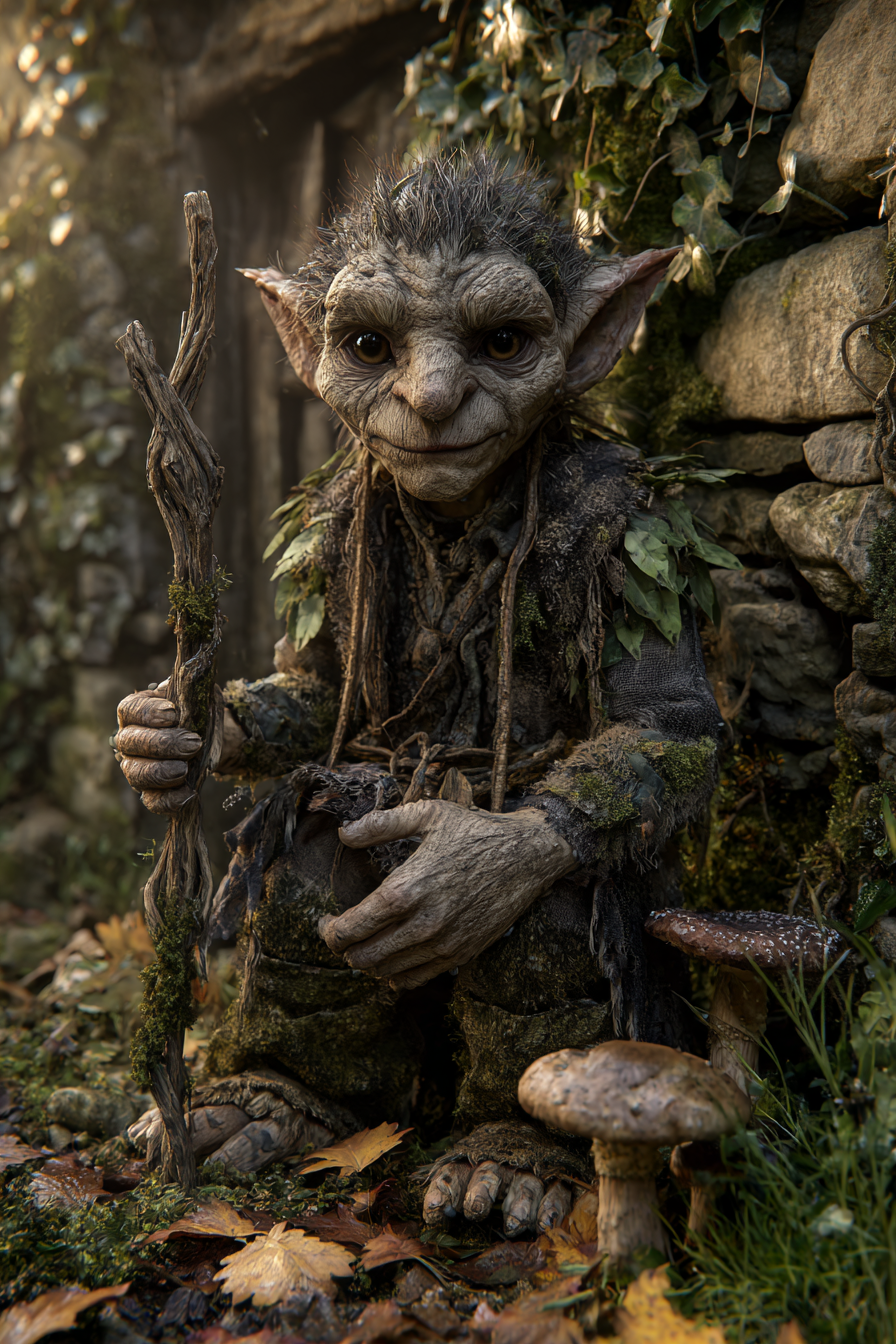
The awakenings of the world: Elementals, beast-folk, and the Muses. The living barometer of the magic as it thins.
The Pantheon and their firstborn dragons, the apex order all others orient around, now mostly withdrawn or fallen.
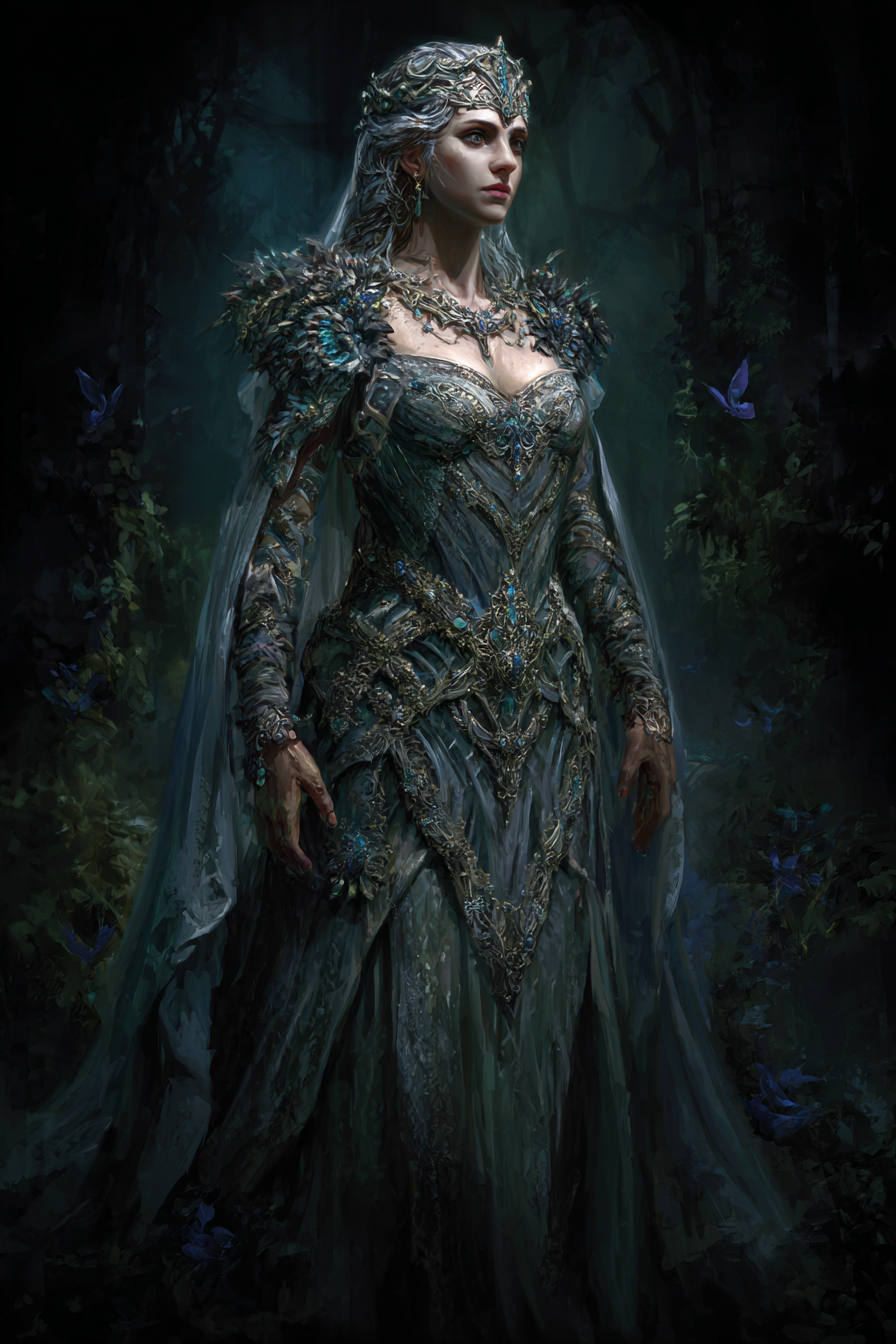
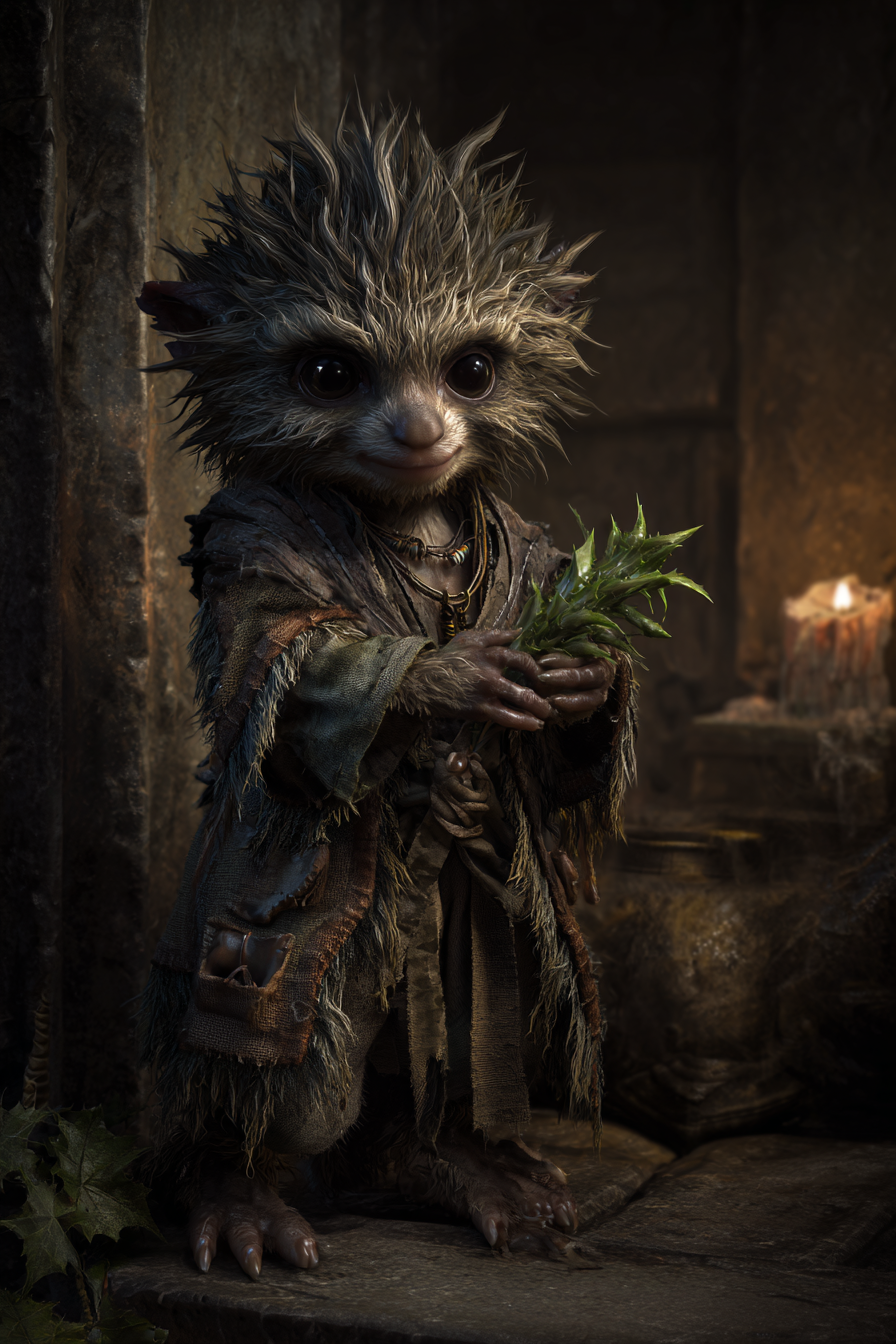
There is no single chosen hero. The turning of the age is the protagonist, seen through the eyes of those it catches: a ruined heir, a highborn traitor, two fallen goddesses, a fading brownie, and a deathless woman who would rather not be found.
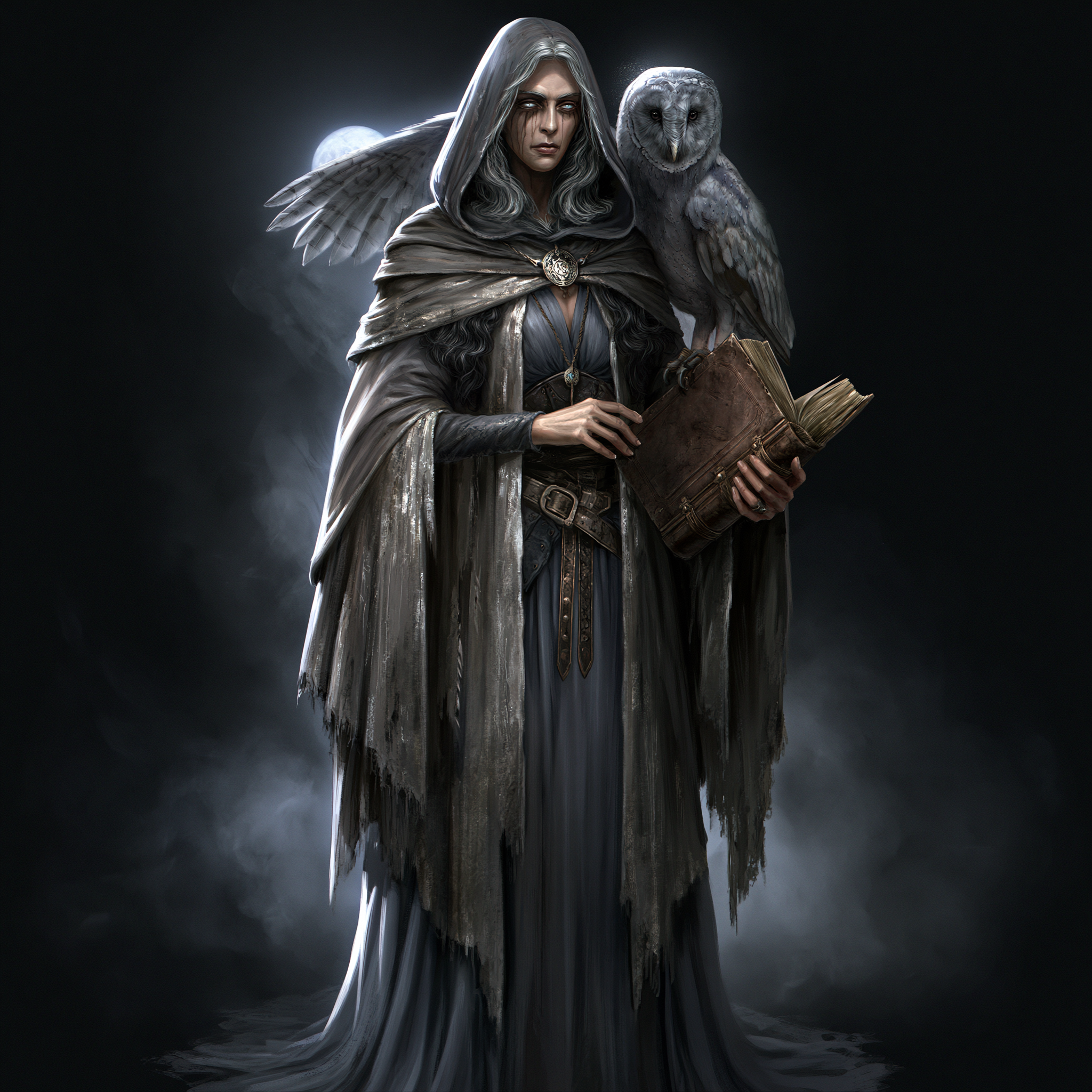
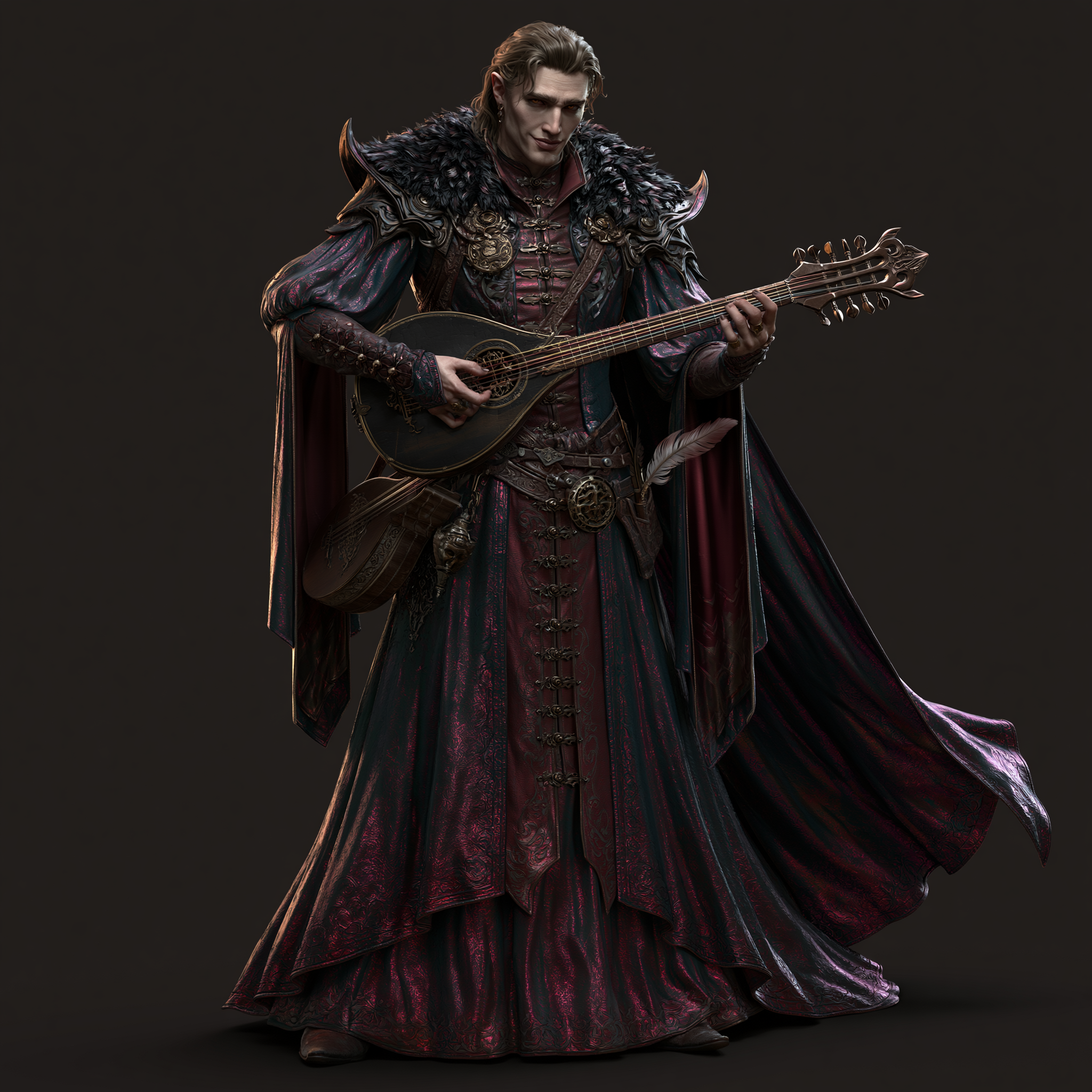
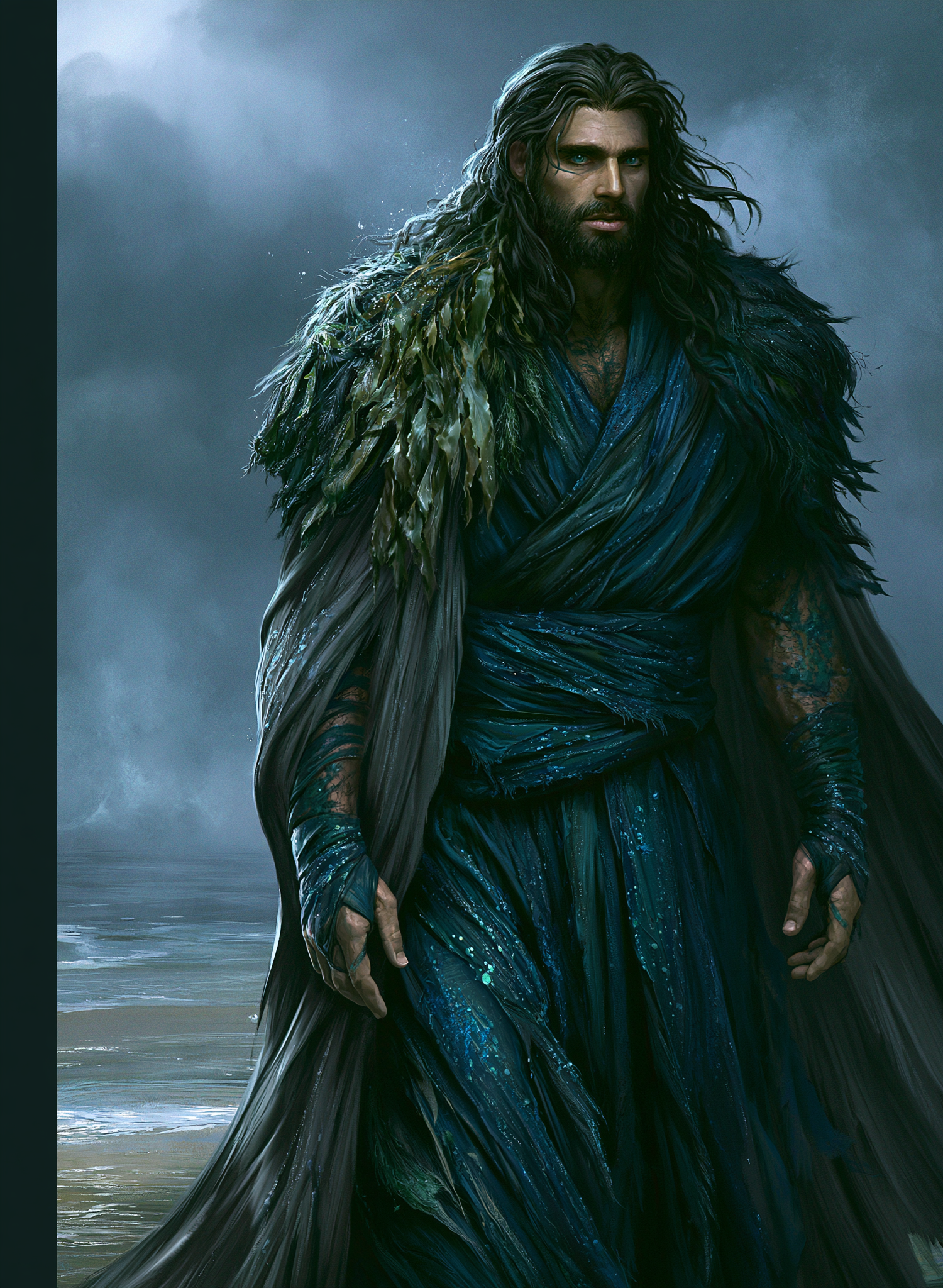
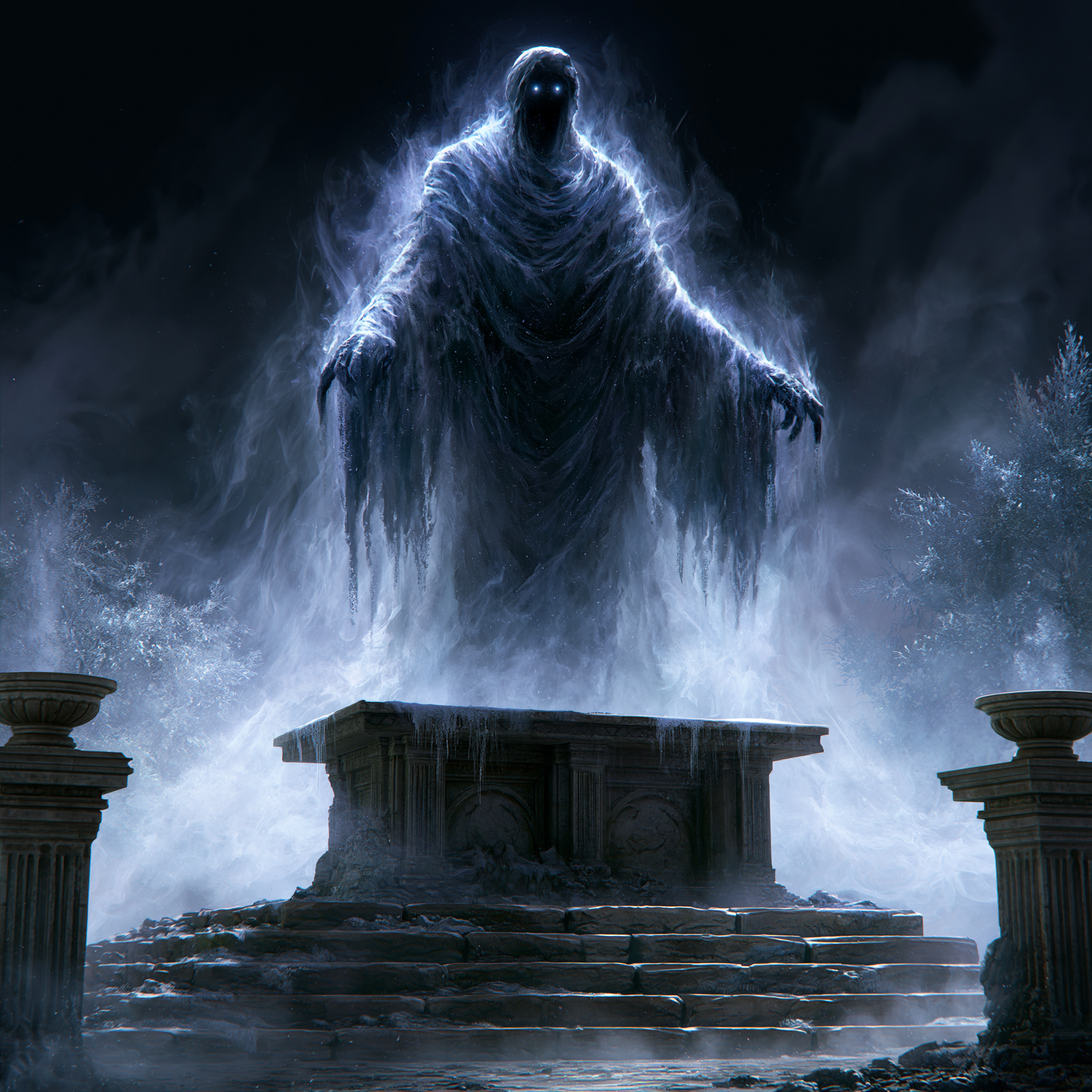
"I am the one who remembers. I take no side in what follows. I only set it down, so that when the light is gone there is still a true account of how it went out."
A withdrawn goddess of truth and memory frames the whole saga: a dispassionate witness who cannot save the world and has chosen instead to keep its record. Her owls are her eyes. She is the reader's way in, and a mystery in her own right.
Fallen Wyrms is built from a single canonical World Bible, so every medium draws from one source of truth. The novels lead; the games and film follow, each a separately titled work under the same banner.
A deep, internally consistent world already exists on the page and on the canvas.
Cosmology, pantheon, peoples, magic, geography, and six orders, all internally consistent.
Six point-of-view characters and a signature frame-narrator, the Chronicler.
Gods, dragons, peoples, and places, generated and organized to one house style.
Named, secured, and ready to carry a franchise across every medium.